
Minneapolis on Edge: Curfew Declared for Justice March
ECONOMYPOLICYNEWS
Bernardo Prantz Pin
1/31/20264 min read
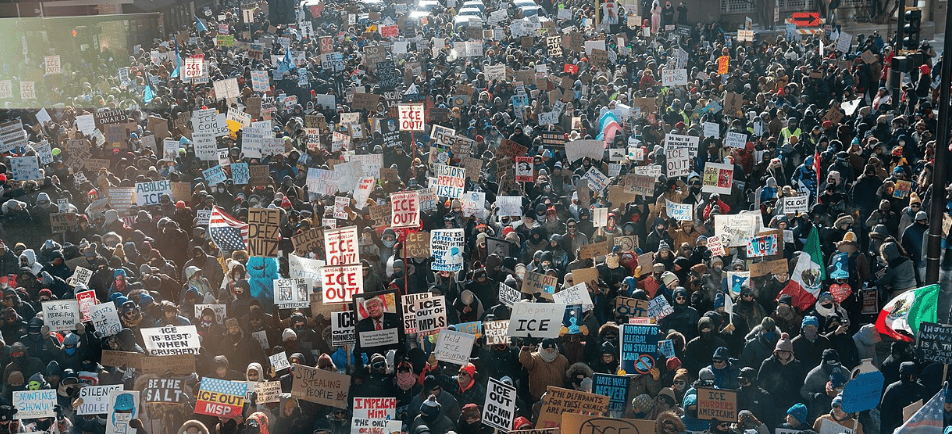
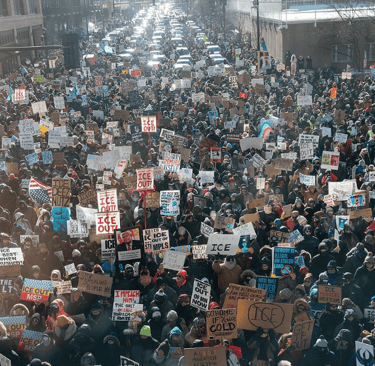
The Day of the 'Justice for Alex' Mega-March
Today in Minneapolis, a significant event is unfolding as thousands of protesters gather for the 'Justice for Alex' mega-march. This mobilization is rooted in a pressing call for justice and accountability following the tragic death of Alex, a young individual whose life was cut short in an incident that has sparked outrage in the community. The march aims to highlight systemic issues and advocate for change, focusing on the need for greater transparency and reform within law enforcement.
Organizers anticipate that upwards of ten thousand participants will come together, reflecting widespread frustration and a desire for justice. The event is not only a demonstration of solidarity for Alex’s family but also a broader movement aimed at confronting the injustices that permeate various aspects of society. The march is designed as a peaceful gathering, allowing voices to be raised in unity, demanding accountability, and calling for significant legal reforms.
In the days leading up to the march, tensions have escalated in the city as community members express their concerns through various channels, including social media and local forums. This groundswell of support has galvanized individuals from diverse backgrounds, emphasizing that the demand for justice transcends demographic boundaries. This collective voice serves as a reminder of the power of community activism in the face of adversity.
As people gather at the designated assembly point in downtown Minneapolis, speakers are poised to address the crowd, sharing stories and perspectives that underscore the urgency of the cause. The event aims to foster a sense of hope and determination, ensuring that Alex's story, and those like it, are not forgotten. This mega-march represents a pivotal moment in the ongoing discourse on social justice and has captured national attention, highlighting the significance of collective action within the fight for equality.
Heightened Tensions: The Presence of Federal Troops
The atmosphere in Minneapolis has reached a critical juncture as the mega-march unfolds under heightened scrutiny. As thousands gather to advocate for justice, the city is also witnessing the deployment of federal troops in a move termed 'Operation Metro Surge.' This initiative aims to bolster security amid escalating concerns regarding potential unrest during large gatherings. The presence of these federal troops adds a layer of tension to what is primarily a peaceful assembly of protestors advocating for change.
Troops can be observed stationed around key locations, particularly near the courthouse, which has become a focal point for both demonstrators and law enforcement. Barricades have been erected to establish controlled zones, impacting the flow of the march and prompting a dichotomy between the peaceful intentions of those gathered and the militarized response from authorities. While some see this show of force as a necessary precaution, others view it as an exacerbation of already strained relations between the community and law enforcement.
As the protestors embark on their journey through the streets of Minneapolis, they carry signs demanding justice and accountability. Their determination stands in stark contrast to the intimidating visual of troops in tactical gear, equipped with crowd control measures. This juxtaposition raises critical questions about the balance of rights—specifically, the right to assemble versus the right of the state to maintain order. The palpable tension in the air serves as a reminder of the complexities surrounding this social movement, highlighting the need for a nuanced understanding of the implications of deploying federal troops in situations historically marked by civil demonstration.
Curfew and Community Response: A Call for Calm
The recent imposition of a strict 6 p.m. curfew in Minneapolis by the National Guard has generated significant concern among residents and local leaders. The directive, albeit aimed at maintaining order during a time of heightened tension following the shooting incident, has led many to express anxiety regarding its implications for the community. Leaders in the Minneapolis area have called for calm and restraint, emphasizing the need for peaceful expressions of dissent while also demanding accountability from those responsible for the tragic events that sparked the protests.
Community leaders have echoed sentiments of solidarity amidst fear. Many have highlighted the importance of maintaining peace and expressing grievances through non-violent means. For instance, local activist Jane Doe remarked, “We cannot let anger drive us into chaos. We must hold those accountable who have caused our pain, but we must do so with respect for one another and the community.” This perspective underlines the delicate balance between advocating for justice and maintaining public safety, especially given the immediate fears surrounding potential clashes between protesters and law enforcement.
Additionally, some residents have raised concerns that the curfew might inadvertently lead to escalated tensions, as it could be perceived as a means of stifling legitimate protests. John Smith, a long-time resident and business owner, stated, “The curfew aims to keep us safe, but it also risks silencing our voices at a time when we need to be heard the most.” Such remarks reflect the broader societal implications of law enforcement's response to civil unrest, as community members grapple with the intersection of justice and order in turbulent times.
The situation continues to evolve as both sides navigate a critical moment in Minneapolis’s history. It remains paramount that dialogue persists, aimed at healing and accountability without resorting to violence, thereby fostering an environment conducive to change.
Navigating the Uncertainty: Risks Ahead
As the curfew approaches in Minneapolis, a palpable sense of uncertainty looms over the gathering intended to advocate for justice. The atmosphere is charged with tensions, as both citizens and local law enforcement prepare for potential confrontations. Activists aim to express their demands peacefully; however, the mere presence of heightened security raises concerns among participants about the possibility of escalated conflicts.
Many residents are grappling with feelings of despair amidst the rising tensions. They fear that the curfew may exacerbate existing issues, as it places restrictions on movement and activities that are vital for those wishing to voice their grievances. The uncertainty about how law enforcement will respond to the demonstrators' resolve seems to be a common thread of anxiety. Witnessing previous encounters between protestors and police in various cities across the country adds to the apprehension gripping Minneapolis.
The risk of confrontations during this gathering not only threatens to overshadow the intended message of justice but also raises questions regarding the safety of participants. Activists have been vocal about their right to assemble peacefully and voice concerns about systemic injustices yet fear that the curfew could complicate these efforts. This situation serves as a reminder of the precarious balance that must be maintained between protecting public safety and respecting individuals' rights to protest.
In discussions leading up to the event, many community leaders have called for non-violent gatherings, emphasizing the importance of dialogue over conflict. As Minneapolis residents face this uncertain moment, the hope remains that the plea for justice will prevail over the risks associated with the possibility of unrest.