
The Great Thaw: Flood Emergency in Tennessee and Mississippi
WEATHERNEWSECONOMY
Bernardo Prantz Pin
1/31/20264 min read
The Shift from Ice to Water: Understanding the Crisis
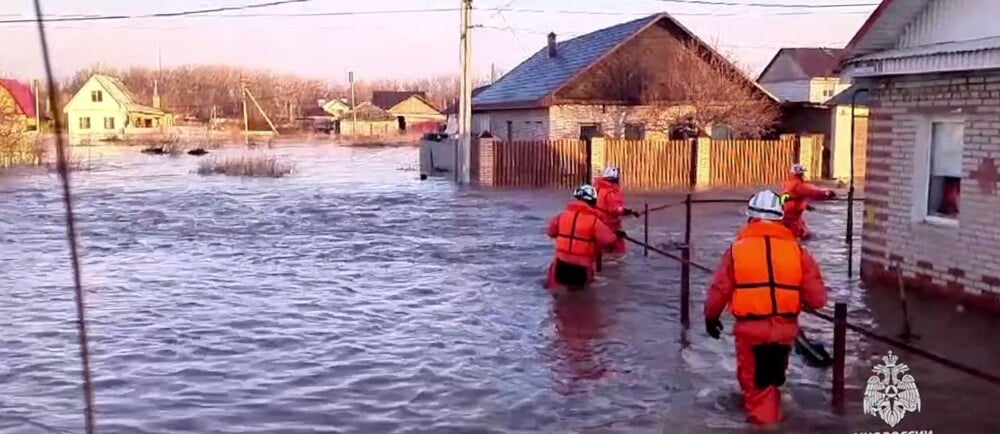
The recent climatic changes in Tennessee and Mississippi have drawn significant attention due to their impact on the environment and public safety. A combination of unusual weather patterns has led to an extraordinary accumulation of snowpack in earlier months, with the winter season showcasing higher-than-average snowfall. As temperatures began to rise rapidly, the transition from a frozen landscape to thawing conditions resulted in an immediate crisis marked by flood warnings across the region.
This dramatic shift from ice to water can be attributed to several climate factors. Firstly, meteorological fluctuations have intensified, presenting prolonged cold spells followed by sudden warmth. These temperature swings create an unstable environment where the melting snowpack does not have sufficient time to absorb into the soil, thus causing water to flow unchecked into rivers and streams. Consequently, the potential for flooding escalates as waterways swell beyond their capacity, leading to widespread alerts for residents.
In addition, the surge in rainfall accompanying these temperature transitions exacerbates the situation. As warmer air prevails, moisture-laden storms have begun to intensify, resulting in torrential downpours and further elevating water levels. Authorities have issued numerous flood warnings and advisories due to this combination of melting snow and increased precipitation, alerting communities in vulnerable areas about the need for preparedness.
As the situation unfolds, the urgency of addressing the evolving crisis cannot be understated. The shifts in climatic conditions necessitate a closer examination of the patterns leading to such extreme weather events and the potential for long-term implications on local ecosystems and infrastructure. Observing these trends and implementing preventive measures will be vital in mitigating future risks associated with flooding in Tennessee and Mississippi.
Current Flood Levels: The Danger at Hand
As we observe the ongoing situation in Tennessee and Mississippi, the flood levels continue to rise alarmingly. The Pearl River has recently reported a cresting level exceeding 36 feet, a figure that holds significant implications for the surrounding communities. This unprecedented rise poses an immediate threat to residential areas and critical infrastructure, necessitating urgent attention from local authorities and emergency services.
To provide context, flood levels above 36 feet are categorized as major flood stage, indicating a severe risk of inundation. The National Weather Service has issued warnings for potential flooding across numerous counties as water from the Pearl River spills over its banks, impacting neighborhoods that lie in proximity to the river's edge. Local residents have been urged to take precautions, including evacuating vulnerable areas and preparing emergency supplies.
Moreover, the state of dams in Mississippi, which are designed to manage high water levels, is under increasing scrutiny. As of the latest assessments, several dams are operating at or near capacity, with engineers closely monitoring conditions to prevent potential breaches. The stability of these structures is crucial as they play a vital role in flood management, especially during severe weather events that exacerbate riverine flooding.
Forecasts indicate that rainfall is expected to continue, raising concerns that the already critical flood levels could rise further. The state emergency management agencies are working in coordination with the National Weather Service to keep the public informed on the status of flooding and potential evacuation orders. As the situation develops, it is essential for communities to stay vigilant and adhere to updates from local officials regarding flood conditions and safety protocols.
Safety Precautions: Protecting Lives and Property
As residents of Tennessee and Mississippi navigate through the aftermath of the great thaw, prioritizing safety is essential to protect lives and property in the affected areas. Immediate evacuation orders have been issued for low-lying zones, where the risks of flooding are significantly heightened. Residents in these zones must adhere to evacuation protocols without delay, as conditions can change rapidly, leading to perilous situations.
One of the more insidious dangers during this period are the so-called 'invisible potholes.' These hazards occur as the thaw melts snow and ice, causing water to seep into pavement cracks that may freeze and expand. When temperatures drop again, these potholes can appear suddenly, creating hazardous driving conditions and increasing the risk of accidents. Residents should approach travel with caution, staying updated on road conditions and considering alternative routes whenever possible.
Additionally, road collapses can occur as thawing ground conditions weaken underlying structures, potentially leading to significant damage and creating impassable routes. It is advisable for families and individuals to remain indoors unless absolutely necessary, particularly if they reside in areas known for vulnerable infrastructure.
With treatment plants overflowing, the importance of boiling water cannot be overstated. Residents should use only boiled or bottled water for drinking, cooking, and hygiene purposes until further notice. It is essential to follow local advisories regarding water safety and to listen for updates from local authorities concerning any additional precautions that may be necessary.
Taking these precautions seriously can help families stay safe during this challenging period. Keeping informed, preparing for emergencies, and prioritizing personal safety can significantly mitigate risks associated with the ongoing thaw and its subsequent effects.
Emergency Resources and Support Systems for Affected Residents
The recent flood emergency in Tennessee and Mississippi has undoubtedly put a strain on both the affected residents and local communities. In light of this crisis, it is crucial for individuals to be aware of the available resources and support systems designed to assist them during this challenging time. Emergency hotlines have been established to provide immediate assistance and information to those in need. Residents can reach out to the Tennessee Emergency Management Agency at 1-800-262-3300 and the Mississippi Emergency Management Agency at 1-866-519-6368 for assistance and guidance.
Local shelters have been set up to provide safety and refuge for displaced individuals and families. Many schools, community centers, and faith-based organizations are serving as temporary housing solutions. It is essential for residents to stay informed about these locations by checking local news updates or the websites of local government agencies. Additionally, local churches and non-profit organizations are mobilizing to provide food, clothing, and essential supplies to those affected by the flooding.
Community outreach efforts are also critical during this emergency. Residents are encouraged to offer mutual aid within their neighborhoods, assisting those who may be more vulnerable, such as the elderly or those with disabilities. Social media platforms can serve as effective tools for organizing community support and volunteer efforts. By sharing resources and information, residents not only help themselves but also foster a spirit of resilience and solidarity among their neighbors.
In summary, while the flood emergency presents significant challenges, a range of resources and support systems exists to facilitate recovery and assistance. By utilizing hotlines, shelters, and community networks, affected residents can navigate this situation while contributing to the broader recovery efforts within Tennessee and Mississippi.