
The Warsh Era: Trump Picks Strong Dollar Hawk for Fed
POLICYECONOMYNEWS
Bernardo Prantz Pin
1/31/20265 min read
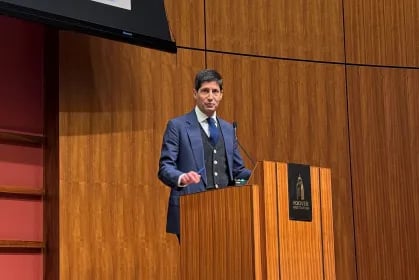
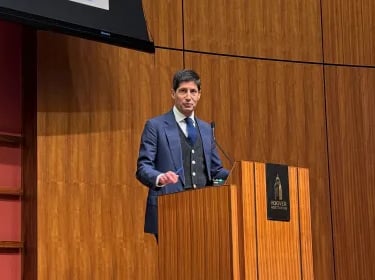
Kevin Warsh's Appointment: A Game Changer for the Federal Reserve
Kevin Warsh's recent appointment as the next chair of the Federal Reserve by President Donald Trump marks a significant turn in the Federal Reserve's approach to monetary policy amid a complex economic landscape. Warsh, who previously served as a member of the Board of Governors from 2006 to 2011, has garnered recognition for his strong dollar advocacy and a somewhat hawkish approach to monetary policy, which is seen as a pivot from the more dovish strategies adopted in recent years.
Born in 1970, Warsh has an impressive academic background, holding a J.D. from Stanford Law School and a B.A. in economics from Stanford University. His involvement with the Federal Reserve during the global financial crisis provided him with valuable insights into the mechanisms of central banking in times of economic distress. Following his tenure at the Fed, Warsh has maintained a presence in economic discussions through various roles, including a position as a distinguished fellow at the Hoover Institution.
The implications of Warsh’s appointment are particularly relevant given the ongoing challenges in the global economy, including fluctuating inflation rates and varying international trade dynamics. His strong dollar position is expected to influence the Fed's policies toward tighter monetary strategies. This could potentially stabilize the dollar while curbing inflation, aligning with Warsh’s philosophy that prioritizes long-term economic stability. Analysts and economists alike are paying close attention to how Warsh plans to address the pressing economic issues, as his leadership could reshape the Federal Reserve's direction in the coming years.
By reinstating the focus on a stronger dollar, Warsh's leadership might not only change the internal dynamics of the Federal Reserve, but it could also signal a broader shift towards a more conservative monetary policy during a time of uncertainty. As such, stakeholders are keenly observing how these developments will unfold and their potential economic ramifications.
Market Reaction: A Tale of Two Sectors
The confirmation of Kevin Warsh as a strong dollar advocate at the Federal Reserve elicited contrasting reactions across the financial markets, highlighting the divided sentiments among investors. Notably, the cryptocurrency markets faced significant turbulence, with a notable 8% crash following the announcement. This sharp decline reflects the uncertainty and skepticism surrounding Warsh's views on cryptocurrencies, which many investors interpret as a bearish signal. As a proponent of a robust dollar policy, Warsh's skepticism towards digital currencies could dampen the enthusiasm of crypto investors, leading to a swift sell-off in the market. The negative reaction in this sector underscores the fragility of investor confidence in cryptocurrencies, particularly in an environment where regulatory scrutiny is intensifying and interest rates are anticipated to rise.
Conversely, traditional banking stocks experienced a substantial rally post-confirmation. This surge indicates a clear investor expectation that Warsh's policies may favor a tighter monetary policy, leading to increased interest rates. Financial institutions typically benefit from a higher interest rate environment, enabling them to widen the spread between what they pay on deposits and what they earn on loans. Consequently, banks have rallied in anticipation of improved profit margins, reflecting a robust confidence in the traditional financial sector's ability to thrive under stricter monetary conditions. This divergence between the responses of cryptocurrencies and traditional banks illustrates a broader narrative regarding investor sentiment and sectoral performance.
Overall, the market reactions to Warsh's Fed nomination serve as a key indicator of how differing asset classes respond to changes in monetary policy perspectives. While the banking sector welcomes the prospect of higher interest rates and profitability, the cryptocurrency market remains apprehensive, reflecting a cautious stance amongst digital asset investors. This juxtaposition illustrates the complex dynamics at play in financial markets shaped by regulatory and macroeconomic factors.
Implications for Mortgages and Loans: What Homeowners Need to Know
The appointment of Kevin Warsh to the Federal Reserve is expected to have significant ramifications for the housing market, particularly concerning mortgages and loans. Warsh's inclination towards a strong dollar policy will most likely result in a tightening monetary stance, leading to increased interest rates. For potential homebuyers in 2026, this may mean higher borrowing costs as lenders adjust their rates in response to monetary policy shifts. Consequently, individuals seeking to finance a new home purchase could face elevated monthly payments, which may deter some from entering the market.
Existing homeowners with adjustable-rate mortgages may also feel the impact as their rates could increase, potentially leading to larger monthly payments. Those considering refinancing in pursuit of more favorable rates should be aware that the window for doing so could be closing, as a strong dollar policy typically entails higher interest rates in the future.
Given these anticipated changes, strategic financial planning becomes essential. Potential homebuyers should assess their financial readiness and prepare to secure fixed-rate mortgages sooner rather than later, as rates are projected to rise. On the other hand, current homeowners should consider the long-term implications of their mortgage choices and weigh the benefits of refinancing against potential future rate increases.
Alternative financing options and government programs aimed at assisting low- and moderate-income buyers should also be investigated, as they may provide relief amidst an environment of rising costs. Overall, the landscape in 2026 will present unique challenges and opportunities for homeowners and buyers alike, necessitating a careful and proactive approach to housing decisions in light of Warsh's monetary policies.
The Clash of Policies: Warsh vs. Trump's Growth Agenda
The appointment of Kevin Warsh as a Federal Reserve governor brings a strong focus on monetary discipline and the pursuit of a robust dollar—features that could stand in stark contrast to President Trump’s broader economic growth agenda. Warsh, a known advocate for tighter monetary policies, might prioritize controlling inflation over stimulating growth, potentially placing him at odds with Trump’s objectives of promoting fiscal expansion and job creation.
Trump has consistently championed strategies that favor lowering interest rates and stimulating credit availability to spur economic growth. This includes a preference for policies that foster investment, consumer spending, and overall economic activity. Conversely, Warsh’s approach emphasizes a vigilant stance against inflation, which may involve raising interest rates to ensure financial stability. This tension could potentially hinder the administration's initiatives aimed at boosting economic activity, particularly if Warsh follows a monetary path that aligns with a strong dollar policy.
Examining the implications of this policy clash reveals significant considerations for both fiscal and monetary coordination. On one hand, Warsh’s policies could strengthen the dollar, making imports cheaper and aiding in controlling inflation—an attractive outcome from a macroeconomic perspective. On the other hand, a staunch focus on monetary tightening could slow down borrowing and investment, thereby impeding the momentum needed for job creation and GDP growth, both integral to Trump’s vision of an expanding economy.
The prospective outcomes of Warsh’s appointment warrant close scrutiny, as the tension between his tight monetary stance and Trump's growth-driven policies could shape the economic landscape. As both forces interact, their convergence—or lack thereof—will undoubtedly influence critical sectors of the economy, as well as the overall economic climate during Trump's presidency.