Why Your Chair Is Killing Your Back (And How to Fix It)
NEWSHEALTH
Bernardo Prantz Pin
1/30/20268 min read


Understanding Tailbone Compression
Tailbone compression is a significant concern that directly affects spinal health and overall comfort during prolonged sitting. The tailbone, or coccyx, is a small triangular bone located at the base of the spine, and it plays a critical role in maintaining proper posture. When sitting for extended periods in standard flat office chairs, the natural curvature of the spine can be disrupted. This disruption leads to excessive pressure on the tailbone, resulting in discomfort and potentially severe conditions such as sciatica and lower back pain.
Office chairs that lack adequate support often compel the body to adopt unhealthy sitting postures. The flat seating surface of conventional chairs fails to accommodate the natural contours of the pelvis and spine, placing undue stress on the tailbone. This pressure can lead to inflammation and pain, making it challenging to maintain focus and productivity at work. Moreover, the resulting imbalanced posture may hinder circulation and contribute to fatigue over time.
Understanding the anatomy of the tailbone is essential to grasp the implications of tailbone compression. The coccyx consists of several fused vertebrae, serving as an anchor point for muscles and ligaments that support pelvic organs. When excessive force is applied to the coccyx, it can result in pain known as coccydynia. This condition not only complicates everyday activities but can also lead to chronic back issues if left unaddressed.
To mitigate the negative effects of tailbone compression, individuals should consider investing in ergonomic chairs that offer enhanced lumbar support and contour to the body's shape. These chairs can help maintain the spine's natural alignment, reducing pressure on the tailbone and promoting better posture during extended periods of sitting. By prioritizing proper seat design, one can effectively combat the detrimental impacts of tailbone compression on spinal health.
The 90-90-90 rule is a widely accepted guideline in ergonomics, particularly for those who spend prolonged periods seated. It focuses on ensuring that when sitting, the knees, hips, and ankles are positioned at right angles—specifically, a 90-degree angle. This rule is crucial for maintaining a healthy posture and aligning the body correctly to reduce strain on the back.
To adhere to the 90-90-90 rule, it is important to first assess the height of your chair. Your feet should rest flat on the floor, forming a right angle at your knees. If your chair is too high, your feet may dangle, placing unnecessary pressure on your lower back. Conversely, if the chair is too low, you may find that your knees elevate above your hips, which can also lead to discomfort.
Another important factor is the configuration of your workspace. Adjust your desk height so that your elbows, when resting at your sides, also form a 90-degree angle. This adjustment helps to ensure that your arms are supported adequately and reduces strain on your shoulders and upper back.
Moreover, the positioning of your hips is equally significant. When seated, your hips should be positioned slightly back in the chair, allowing you to sit upright against the backrest. This positioning helps maintain the natural curve of your spine and significantly reduces strain on the lumbar region.
Incorporating the 90-90-90 rule into your daily routine can promote optimal blood circulation while reducing discomfort in the lower back area. Make it a habit to periodically check your alignment throughout the day, especially if you find yourself sitting for extended periods. Implementing these simple adjustments can have a profound impact on your overall comfort and health.
The Stand Every Hour Rule
In today’s fast-paced work environment, many individuals find themselves spending prolonged periods seated at their desks. This habit can contribute significantly to back pain and various health issues. To combat these consequences, adopting the "stand every hour" rule is essential. This guideline encourages individuals to take brief, regular breaks from sitting, enhancing both spinal health and overall well-being.
Integrating standing breaks into your daily work routine can be straightforward. Consider setting a timer to remind you to stand up and move for a few minutes at the top of each hour. Use this time to stretch, walk around the office, or perform simple exercises, which can alleviate tension in the back and promote better posture. If feasible, you might explore the option of using a standing desk or a desk converter, allowing for a seamless transition between sitting and standing throughout the day.
Beyond reducing back strain, standing frequently can boost circulation and improve focus. Research indicates that brief episodes of standing can elevate energy levels, thereby enhancing productivity. It fosters a more dynamic work environment, encouraging creativity and reducing feelings of lethargy. Furthermore, when combined with frequent movement, these standing breaks can contribute to better overall cardiovascular health.
As an illustration, you might engage in a brief five-minute walk every hour or participate in standing meetings, which can be refreshing and invigorating. By committing to the "stand every hour" rule, not only do you invest in your spinal health but also in your overall quality of life. Remember, the key is consistency; making this small change can lead to substantial improvements in your comfort and well-being over time.
Monitor Height Adjustment
An essential yet frequently overlooked element of workstation ergonomics is the placement of computer monitors. The correct positioning of your monitor can have a significant impact on your posture and can be instrumental in preventing spinal discomfort, particularly in the neck and back regions. Ideally, the top of the monitor should be at or just below eye level. This alignment enables users to maintain a neutral head position, thereby reducing the risk of strain.
When a monitor is positioned too high or too low, it forces the user to tilt their head or assume an awkward posture, which can lead to discomfort over extended periods. For instance, if a monitor is too low, individuals may find themselves hunching forward, causing stress to the cervical spine. Conversely, if a monitor is too high, users often crane their neck upwards, which can similarly lead to musculoskeletal pain. Therefore, ensuring that your monitor is positioned correctly is crucial for a comfortable and healthy workspace.
In addition to height, the distance of the monitor also plays a vital role in overall ergonomics. Ideally, the screen should be an arm's length away, with the text being clearly visible without the need to lean forward or squint. This distance minimizes strain on the eyes and neck while providing a comfortable viewing experience. If necessary, monitor arms can be used to enable easy adjustments to height and distance, thereby creating a customized ergonomic setup.
Ultimately, optimizing monitor height and positioning not only prevents potential injuries but also enhances productivity by promoting a healthier work environment. Taking the time to adjust your monitor can yield tangible benefits for both comfort and efficiency in your daily tasks.
Identifying the Right Chair for Your Needs
Choosing the appropriate office chair is crucial for maintaining spinal health, yet many individuals overlook its significance. A common misconception is that any chair can be used for prolonged seating without adverse effects. Unfortunately, traditional chairs often lack the ergonomic features necessary to support the natural curvature of the spine, leading to discomfort and potential long-term injury.
When searching for an ideal ergonomic chair, it is essential to focus on several key features. First, look for adjustable height options. The chair should allow users to set their seat at a level where feet can rest flat on the floor, promoting optimal posture. Additionally, the seat depth should be adjustable to ensure that the backrest properly supports the lower back.
Another critical feature is lumbar support. A chair equipped with adjustable lumbar support can help maintain the natural inward curve of the lumbar spine, which is critical for preventing strain and discomfort. Furthermore, a well-designed backrest should conform to the spine’s shape rather than being flat, as this encourages a healthier sitting position.
Wider armrests that are adjustable can also enhance comfort by allowing the shoulders to relax. Proper arm positioning can thus reduce the risk of upper back and neck pain, which are common issues associated with poor seating arrangements. Lastly, consider the material of the chair. Breathable fabrics and adequate padding provide comfort during long hours of work, preventing a buildup of heat and moisture.
To evaluate whether your current chair meets these ergonomic criteria, take note of how your body feels after prolonged use. Discomfort in the back, neck, or shoulders may indicate a need for a better-designed chair. Investing in the right office chair can contribute significantly to your overall health and productivity.
The Orthopedic Fix: The Coccyx Pain Relief Cushion
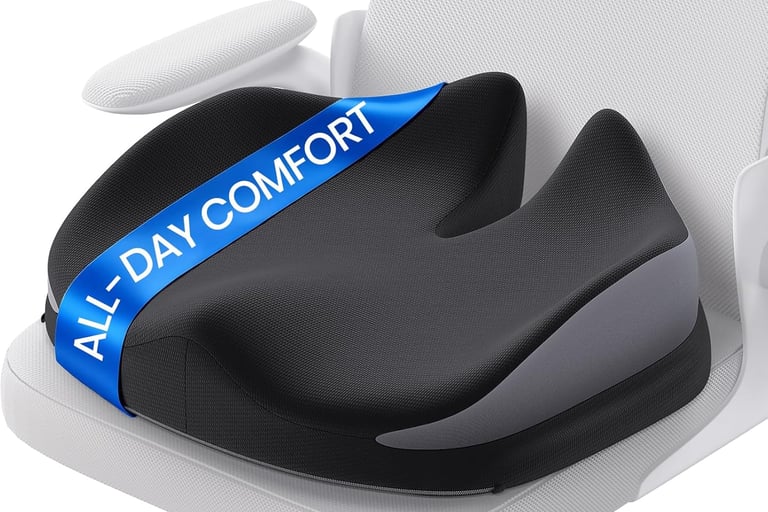
The coccyx pain relief cushion has emerged as a vital solution for individuals suffering from tailbone discomfort caused by prolonged sitting. This specially designed cushion features a U-shaped cut-out that effectively suspends the tailbone, alleviating pressure during use. By redistributing weight away from the coccyx, the cushion allows for improved comfort, ultimately enhancing posture without necessitating the purchase of a new chair.
The unique contour of the coccyx cushion promotes an ergonomic sitting position, which is essential for spine health. Many office workers or individuals who spend extensive time seated often experience back pain due to inadequate seating solutions. The material used in these cushions is typically memory foam or gel, which adapts to the user’s body shape while providing ample support. This promotes blood circulation and minimizes the risk of discomfort associated with long durations of sitting.
Additionally, the coccyx pain relief cushion is portable and versatile, making it suitable for various settings such as home, office, or even during travel. When positioned effectively on a chair, it can significantly mitigate back pain and enhance the overall sitting experience. The ease of maintenance also adds to its appeal, generally featuring removable and washable covers for hygiene purposes.
Click on the image and you will be directed to the Coccyx Pain Relief Cushion.
As individuals seek ways to counteract the effects of poor seating postures, incorporating a coccyx pain relief cushion into their daily routine exhibits significant benefits. By prioritizing comfort and ergonomic support, users can maintain better spinal alignment, thereby reducing incidence of pain over time. This orthopedic fix is a practical approach to coping with back discomfort, allowing individuals to focus on their tasks without distractions from pain.
Long-Term Strategies for Spine Health
Maintaining spine health is essential for overall well-being and can significantly impact your daily life. One of the primary long-term strategies involves establishing a supportive workstation. Investing in an ergonomic chair designed to support the natural curvature of your spine can help distribute weight evenly and relieve pressure on key areas. Positioning your monitor at eye level ensures that you maintain a neutral head position, further reducing the risk of neck and back strain.
In addition to creating a supportive environment, staying active plays a vital role in promoting spine health. Engaging in regular physical activity strengthens the muscles surrounding the spine, providing better support and reducing the likelihood of injury. Activities such as walking, swimming, or yoga can enhance flexibility and improve posture. Aim for at least 150 minutes of moderate aerobic exercise weekly, complemented by strength training exercises focusing on core stability.
Another crucial element is regularly assessing and correcting your posture throughout the day. It's easy to slip into poor habits when sitting for extended periods. Make a conscious effort to sit upright with your shoulders relaxed and back, maintaining the natural curve of your spine. Setting reminders to check your posture can be helpful, as can practicing stretches that promote spinal alignment and relieve tension in your back.
Incorporating these long-term strategies into your daily routine can significantly enhance your spine health. By creating a supportive workstation, staying active, and being mindful of your posture, you can prevent future issues related to back pain. Taking proactive steps today will lead to a healthier spine and improved quality of life in the long run.
If you are interested in this product and other products that can help you with various problems, click here or go to the recommended products tab in the website header.