
War Drums: US Fleet Enters Strait of Hormuz, Oil Spikes
ECONOMYNEWSPOLICY
Bernardo Prantz Pin
1/30/20264 min read
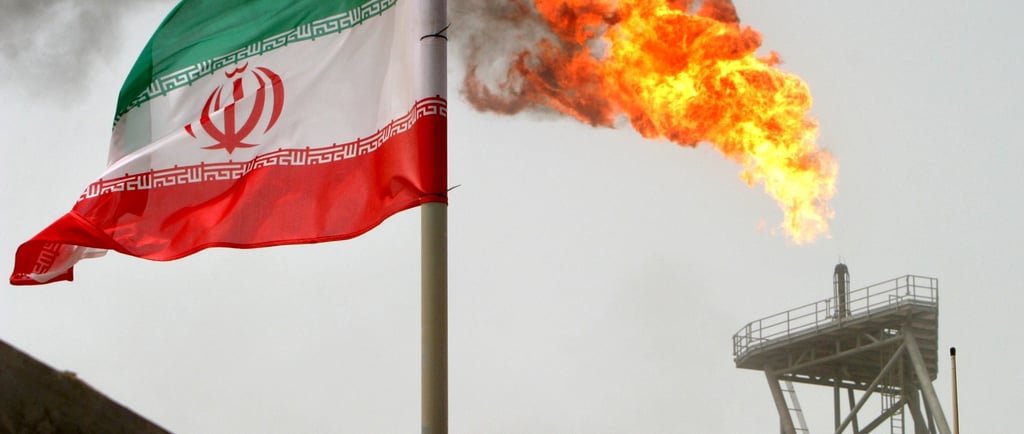
US Navy Fleet Enters the Strait of Hormuz
The recent deployment of the US Navy fleet into the Strait of Hormuz represents a substantial military maneuver, underscoring the strategic importance of this critical waterway located between Oman and Iran. Spanning approximately 21 nautical miles at its narrowest point, the Strait of Hormuz serves as the primary passage for a significant portion of the world’s oil supply, with about 20% of global oil trade navigating through this vital chokepoint. The presence of the US Navy fleet serves multiple purposes, ranging from enhancing regional security to deterring potential aggressive actions from neighboring nations.
The strategic implications of this deployment cannot be overstated. The Strait of Hormuz has been a focal point for military tensions in the past, particularly due to Iran’s strategic location and its historical antagonism towards US naval presence in the region. Iran has expressed its discontent through various channels, which raises the stakes for international shipping and global oil prices. The ongoing tension has prompted Iran to enhance its defensive capabilities, including the preparation of coastal missile bases designed to target naval vessels passing through the strait.
The implications of the US Navy’s presence extend beyond regional security; they resonate within the global economy as well. Fluctuations in oil prices are often influenced by geopolitical stability, making the Strait of Hormuz a key area of interest for oil markets. With the heightened military activity, analysts predict an increase in oil prices as investors react to uncertainties surrounding oil transportation and the potential for conflicts in the region. Therefore, understanding the dynamics of the US Navy fleet's deployment offers insights into both security strategies and economic ramifications tied directly to this crucial maritime corridor.
Market Reaction: Oil Prices Surge and Gold Rallies
In the wake of the recent military movement in the Strait of Hormuz, a significant spike in oil prices has been observed, with rates now hovering around $70 per barrel. This surge can be attributed to several interconnected factors within the market dynamics. The Strait of Hormuz is a critical chokepoint for global oil shipments, accounting for approximately 20% of the world's petroleum trade. As tensions escalate in the region, apprehensions surrounding potential disruptions to oil supply have prompted a spike in prices. The influence of geopolitical events on oil markets illustrates the fragility of the supply chain, where even minor threats can lead to substantial price increases.
On the other hand, the surge in oil prices has had a ripple effect across various asset classes. Investors are increasingly pivoting towards safe-haven assets, particularly gold, which has also seen a rally amid these geopolitical tensions. As uncertainty looms, gold often attracts investors seeking to protect their capital. The price of gold has benefited from the corresponding increase in oil prices, further amplifying the shift in investment strategies as market participants maneuver through riskier conditions.
The interplay between fluctuating oil prices and rising gold values highlights the broader economic ramifications of military escalations. Market participants are acutely aware of the potential impact on the global economy, where prolonged tensions could lead to even higher energy costs and a subsequent ripple effect on inflation. Furthermore, the vulnerabilities in the oil supply chain, underscored by recent military movements, signals that both consumers and investors must remain vigilant concerning the developments in the region.
Geopolitical Analysis: Risks of Blockade and Accidental Conflict
The entry of the US Navy into the Strait of Hormuz has significant geopolitical implications, particularly concerning the risks associated with a potential blockade or accidental military confrontation. Historically, the Strait of Hormuz has been a critical maritime route, accounting for a substantial portion of global oil transportation. Thus, any military engagement in this area can have ripple effects throughout the energy markets and global supply chains.
The presence of naval forces heightens tensions between the United States and regional actors, particularly Iran, which has previously threatened to disrupt maritime traffic as a means of asserting its influence. Should a blockade occur, it would not only curtail the flow of oil but also lead to elevated prices, exacerbating the already precarious energy market. Such scenarios could prompt countries dependent on oil imports, especially those in Europe and Asia, to reconsider their energy strategies, prompting an increase in oil stockpiling and alternative energy sourcing.
Moreover, the risk of an accidental conflict is heightened in the bustling waters of the Strait. The proximity of military assets could lead to miscalculations or unintended confrontations. The historical context of past military engagements in the region, including the Tanker Wars of the 1980s, informs current policymakers that the stakes are high. Incidents of miscommunication or aggressive maneuvers can escalate quickly, potentially leading to broader regional confrontations.
This climate of fear and uncertainty contributes to volatility in trader behavior, impacting investment decisions and market stability. Stakeholders across the globe must remain vigilant to the interplay of military and economic factors as geopolitical tensions evolve, as decisions made in this pivotal region resonate far beyond its shores, influencing global stability.
Conclusion: Monitoring the Situation and Future Implications
As the recent deployment of the US fleet into the Strait of Hormuz unfolds, it is crucial to assess the potential ramifications this might have on global energy markets, international relations, and economic stability. The ongoing tensions in this strategically vital area highlight the complex interplay between military assets and energy supply chains. The Strait of Hormuz serves as a critical chokepoint through which a significant percentage of the world’s oil supply is transported. Thus, developments here can have immediate effects on oil prices globally.
Close monitoring of events in the Strait is imperative for accurate forecasting of energy market trends. With oil prices already experiencing fluctuations, any military escalation could lead to sharp increases, impacting economies worldwide. Furthermore, this situation raises questions regarding international trade policies and the responsiveness of nations in securing their energy needs amid geopolitical tensions. In particular, countries heavily reliant on oil imports may need to reassess their dependencies and consider diversifying their energy sources.
Moreover, the presence of military forces from the US could alter existing diplomatic relations within the region. As nations navigate these complex dynamics, strategic responses will be key to mitigating the risks associated with military maneuvers. It will be important for stakeholders to engage in dialogue, ensuring that communication channels remain open to prevent misunderstandings that could lead to conflict.
In summary, the implications of the US fleet's entry into the Strait of Hormuz extend beyond immediate economic concerns. A comprehensive understanding of the situation will be essential for crafting policies that promote stability and security, ensuring that the interests of nations are balanced amid the ever-changing landscape of global energy and diplomacy.