
Midnight Deadline: Senate Blocks Bill, Shutdown Looms
POLICYNEWSECONOMY
Bernardo Prantz Pin
1/30/20264 min read
The Countdown to Midnight: Understanding the Budget Crisis
The clock is ticking as the nation braces for a potential government shutdown, a situation growing increasingly critical as midnight approaches. Recent actions by the Senate to block the spending bill have cast a shadow over government operations, resulting in heightened anxiety among various stakeholders. The urgency of the situation underscores the importance of addressing funding issues that affect federal agencies, public services, and employees across the spectrum.
The Senate's decision to halt the progress of the appropriations bill has left lawmakers scrambling to find a compromise that could avert a shutdown. Stakeholders, including government employees, businesses, and citizens, are particularly worried about the implications of a prolonged funding lapse. A shutdown can disrupt essential services, delay payments, and complicate financial stability for many. As the deadline nears, the dialogue among lawmakers has intensified, revealing the differing priorities that have led to this moment of crisis.
The public's concern is palpable, with many citizens questioning how a budget impasse can lead to essential functions of government grinding to a halt. Various groups have expressed their frustrations, emphasizing that the consequences of inaction are dire and far-reaching. Compounded by the economic pressures facing individuals and families, the stakes have never been higher as the midnight deadline looms.
The growing awareness around this budget crisis highlights the need for bipartisan cooperation. As negotiations continue, the potential for a resolution hangs in the balance, urging all parties involved to prioritize the interests of the nation over political divides. The coming hours will be crucial in determining the outcome of this fiscal standoff, with implications that could resonate well beyond the immediate deadline.
The Core Conflict: Democrats vs. Republicans
The current political deadlock in Congress stems from a significant divide between Democrats and Republicans regarding immigration enforcement and funding allocations. Central to this conflict is the Democratic Party's insistence on implementing strict reforms to the Immigration and Customs Enforcement (ICE) agency. This demand has gained momentum, particularly following the tragic death of Alex Pretti in Minneapolis, which forcibly brought discussions about ICE's operational methods to the forefront. Democrats argue that reform is essential to prevent such incidents and to ensure that immigrant communities are treated with dignity and respect.
On the other hand, Republicans maintain a firm position on preserving adequate funding for security measures. They emphasize the importance of border security and argue that it is crucial to protect national interests. For Republicans, any reform to ICE cannot compromise the ability of law enforcement to carry out its duties. This fundamental divergence in priorities reflects a broader ideological rift that complicates negotiations over the budget.
The implications of this standoff are significant. If the deadlock persists, it could lead to a government shutdown, impacting federal operations and services. The Democrats, driven by a desire for immigration reform, find themselves at odds with Republican counterparts who prioritize border security above all. Such a scenario highlights the broader challenges within U.S. politics, where bipartisan agreement seems increasingly elusive. As both parties dig in their heels on their respective priorities, the urgency of reaching a compromise escalates, with time running out as the midnight deadline approaches.
Consequences of a Government Shutdown
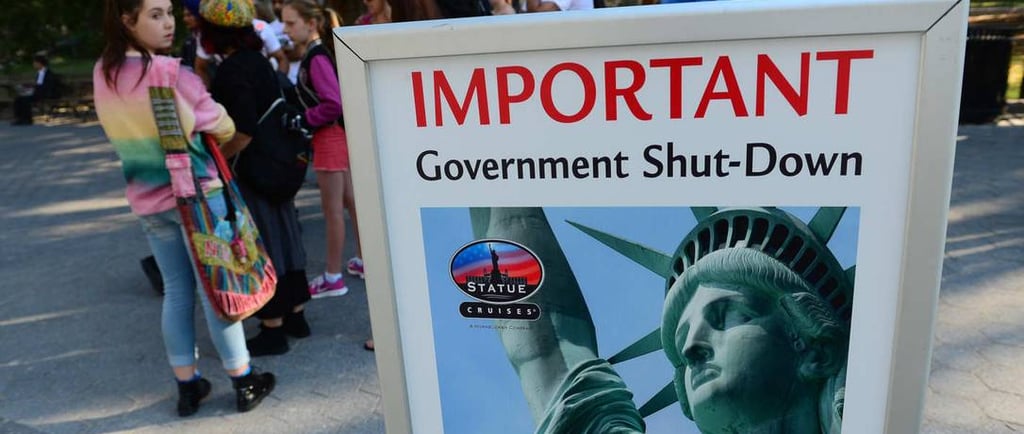
A government shutdown can have immediate and far-reaching consequences for a variety of sectors, affecting both federal operations and the daily lives of American citizens. If an agreement is not reached by the impending midnight deadline, one of the most notable impacts will be the closure of national parks and monuments. This not only deprives individuals and families of recreational opportunities, but it also incurs significant economic losses to local economies that depend on tourism-related income. The financial ripple effects can be profound, leading to layoffs in service sectors that cater to visitors.
Another critical consequence is the delay in processing federal paychecks for employees in numerous government agencies. Many federal workers could face uncertainty regarding their income, impacting their ability to make timely payments for essential expenses such as mortgages, rent, and utilities. This financial strain can lead to broader implications for local businesses that rely on consumer spending. The absence of regular income for federal employees often extends beyond just the immediate paycheck; it can disrupt budgeting and financial planning for families across the nation.
Additionally, a government shutdown can result in potential slowdowns in airport security processes, affecting air travel safety and efficiency. Travelers might experience longer wait times at airport checkpoints, leading to frustration and inconveniences. The disruption does not solely affect the travelers but also impacts airline operations and schedules, potentially leading to cascading delays on a much larger scale.
The political stakes in this standoff are significant, as both parties gamble on public opinion and voter sentiment. The consequences of a shutdown underscore the urgent need for collaboration and compromise in the legislative process. As citizens become increasingly aware of how these political games play out in their daily lives, the pressures for lawmakers to reach an agreement intensify.
Political Strategy: The Gamble in Play
The ongoing budget crisis has positioned both political parties in a precarious situation, necessitating strategic maneuvering to mitigate potential fallout. As the Senate has blocked a crucial bill, the looming shutdown amplifies the political stakes, particularly with the impending elections on the horizon. Each party is leveraging this crisis to shape public perception and assert its legislative priorities, emphasizing their commitment to constituents amid growing uncertainty.
On one side, the Democrats aim to portray a stance of responsibility and governance, countering Republican claims of fiscal oversight. They argue that prioritizing essential services and funding is crucial for maintaining public trust in government. The recent Alex Pretti incident has further intensified the dialogue surrounding fiscal responsibility, compelling the Democrats to address public concerns directly. This incident underscores the potential consequences of legislative delays and is likely to motivate voter sentiment in upcoming elections.
Conversely, the Republican party strategically capitalizes on the uncertainty created by the shutdown, framing it as a failure of the Democratic leadership. By emphasizing perceived inefficiencies and mishandling of budgetary issues, the Republicans hope to galvanize support among constituents frustrated by government dysfunction. The narrative surrounding the budget crisis is not only a test of immediate strategies but also a precursor to broader implications in voter attitudes heading toward crucial electoral battles.
As both parties navigate this complex political landscape, the strategies employed could have lasting repercussions on legislative agendas and political capital. With heightened scrutiny from the electorate, their ability to effectively communicate intentions and outcomes will significantly shape future dynamics within Congress and the public's trust in governance. The stakes have never been higher, and the outcomes of this budgetary skirmish may well dictate the course of the political arena for years to come.