
Urgent Health and Economy Alert: Avian Flu (H5N1) Outbreak Confirmed by USDA
NEWSHEALTH
Bernardo Prantz Pin
1/29/20264 min read
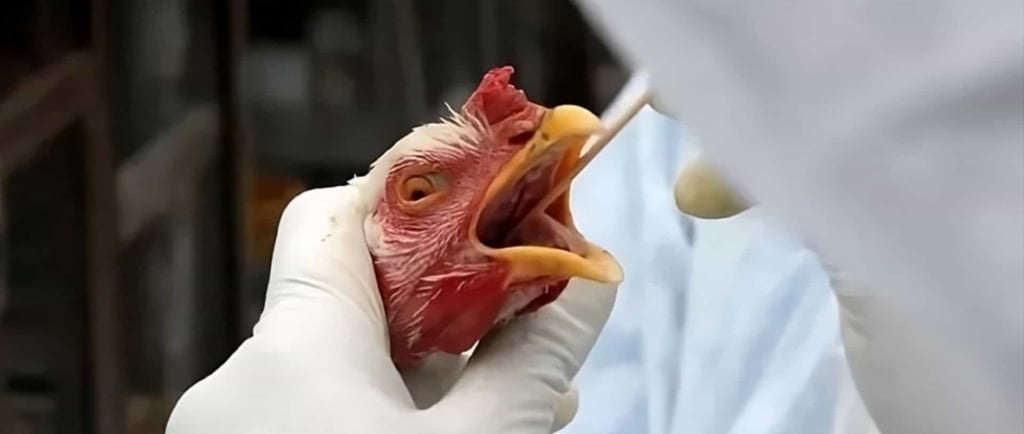
Understanding the H5N1 Virus and Current Outbreak
The H5N1 virus, a subtype of the avian influenza virus, is primarily known for its severe impact on bird populations. This virus is highly pathogenic, meaning it has the potential to cause significant disease and death among avian species. Transmitted through contact with infected birds or contaminated surfaces, H5N1 poses a risk to both wild and domestic poultry, as well as to humans, in certain circumstances. The transmission pathways include direct contact with infected birds or their secretions, making biosecurity crucial in poultry management.
Historically, H5N1 was first identified in Europe and Asia in the late 1990s and has since caused various outbreaks globally, resulting in substantial economic losses within the poultry industry. Cases in humans, while rare, have been documented, often linked to close contact with infected birds. Symptoms in humans can range from mild flu-like signs to severe pneumonia, highlighting the virus's potential health threat. The World Health Organization (WHO) has classified H5N1 as a priority for ongoing surveillance due to its zoonotic potential.
On October 1, 2023, the United States Department of Agriculture (USDA) confirmed a new outbreak of H5N1 in a flock of turkeys in the Midwest. This outbreak has raised concerns among poultry farmers and public health officials alike. The affected farm, located in Iowa, has reported significant morbidity within the flock. Authorities have initiated containment measures, including the culling of infected birds and stringent quarantine protocols. The USDA’s confirmation emphasizes the need for vigilance and preparedness as this outbreak unfolds, impacting both avian populations and the agricultural economy.
Impact on Bird Populations and Poultry Industry
The recent outbreak of Avian Flu (H5N1) confirmed by the USDA has led to a significant toll on bird populations, particularly in the United States. In January 2026 alone, over 1.1 million birds were culled to prevent the further spread of this highly pathogenic virus. This staggering statistic highlights the severity of the situation and the proactive measures taken to protect both wildlife and commercial poultry.
The impact of this culling is felt across various segments of the poultry industry. Major producers have faced immediate losses, as the forced depopulation of flocks disrupts production schedules and leads to financial strain. Additionally, smaller farms, which often operate with limited resources, are particularly vulnerable to such outbreaks. The economic ramifications extend beyond just the loss of birds, as the costs associated with containment and biosecurity measures ramp up in response to the outbreak.
This outbreak has also prompted shifts in market dynamics. As supply diminishes due to massive culling efforts, the prices of poultry products are likely to increase. Consumers may soon experience higher costs in the grocery store as producers face shorter supply chains. The dilemma becomes more complex when considering the export markets, as countries may impose stricter regulations or tariffs on poultry products from affected areas, further complicating the economic landscape for the industry.
Moreover, wildlife populations are not immune to the impact of H5N1. The virus has the potential to decimate wild bird populations, which can exacerbate ecological imbalances. The significant loss of avian species can disrupt local ecosystems, particularly in areas where birds play critical roles in pollination and seed dispersal.
In conclusion, the confirmed outbreak of Avian Flu has startling implications for bird populations and the poultry industry. Urgent measures are necessary to control the situation and mitigate adverse outcomes for both agricultural stakeholders and the environment.
The ongoing outbreak of Avian Influenza H5N1, as confirmed by the USDA, has raised significant concerns regarding the poultry market, particularly the prices of eggs and poultry products. The immediate economic impact is expected to be pronounced, as the culling of infected birds has become a necessary measure to contain the virus's spread. This action, while essential for public health, will undoubtedly reduce the overall supply of poultry and, consequently, eggs in the market.
As production decreases, supply chain disruptions are likely to occur, which means consumers can expect higher prices in the coming weeks. The economic implications are not limited to just the immediate scarcity of products; they also extend to inflationary pressures. With fewer birds available for meat production, and a noticeable decline in egg supply, retailers will likely increase their prices in response to consumer demand outpacing supply. These adjustments are often passed down to the consumer, leading to increased grocery bills, affecting households across the country.
Forecasts suggest that the prices of eggs and poultry could see a notable spike, ranging from 10% to 20%, depending on how widespread the outbreak becomes and how quickly the industry can respond to restore production levels. Furthermore, ancillary costs can also contribute to the price increase, including shipping expenses and feed prices, which may rise as companies adapt to the changing landscape brought on by the outbreak. Overall, the projections indicate that consumers should prepare for heightened prices at their local grocery stores, as the avian flu continues to affect the availability and cost of poultry products.
Precautions and Guidance for Backyard Flock Owners
With the recent confirmation of the H5N1 avian flu outbreak by the USDA, it is imperative for backyard flock owners, particularly in Illinois and West Virginia, to implement stringent measures to protect their birds. The H5N1 virus poses significant risks not only to poultry but also to public health, making it essential to take proactive steps.
First and foremost, owners should routinely monitor their flocks for any signs of illness. Symptoms such as lethargy, coughing, sneezing, and a decrease in egg production should prompt immediate action. In cases of unusual or rapid mortality rates, it is crucial to report these occurrences to local veterinary authorities or the appropriate health departments without delay. Prompt reporting can assist in controlling the spread of the virus.
Furthermore, maintaining stringent biosecurity measures is critical in safeguarding your flock. This includes restricting access to your birds, ensuring that visitors disinfect their hands and footwear before interacting with your flock, and preventing contact between domestic birds and wild birds, which may carry the virus. Flock owners should also consider establishing a safe quarantine area for any new birds before introducing them to the existing flock.
Additionally, regular cleaning and disinfection of equipment, housing, and feed areas are fundamental. Utilize a disinfectant recommended by health authorities and ensure that all materials are stored properly to reduce contamination risks. Providing birds with proper nutrition and minimizing stress can also enhance their immune response.
By adhering to these guidelines, backyard flock owners will not only protect their own birds but also contribute to reducing the risk of H5N1 spreading throughout the community. Awareness and preparedness are key to managing this outbreak effectively, ensuring the health of both avian and human populations.