
Congresswoman Ilhan Omar Attacked at Minneapolis Town Hall: A Reflection on Political Violence
NEWSPOLICY
Bernardo Prantz Pin
1/29/20264 min read
The Incident at the Town Hall Meeting
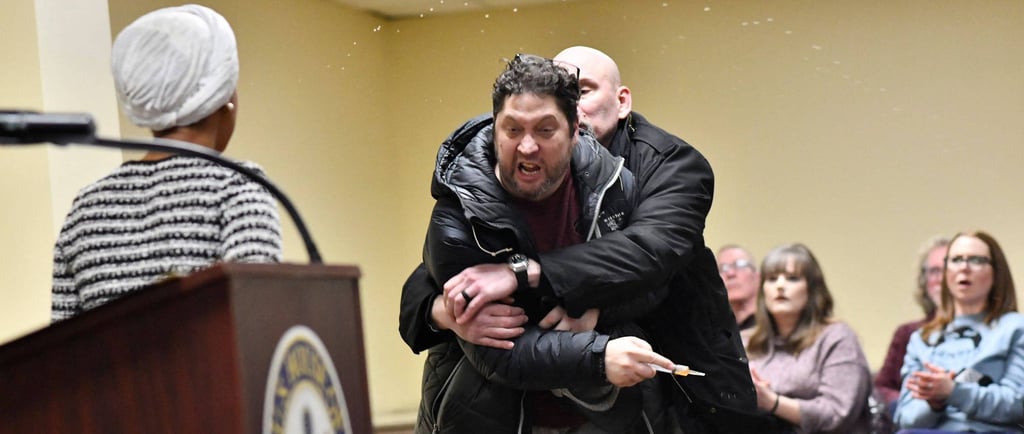
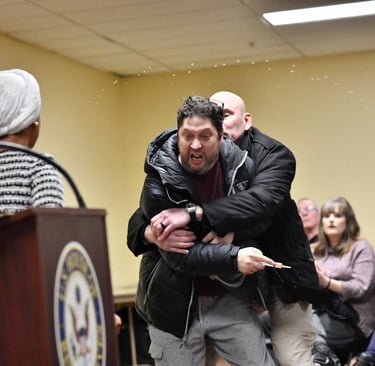
On a seemingly routine evening in Minneapolis, Congresswoman Ilhan Omar was hosting a town hall meeting intended for constituents to discuss community issues and engage in dialogue about important topics affecting their lives. However, the event took a shocking turn when an individual lunged at her with a syringe containing an unknown liquid. This moment of sheer chaos erupted within the confines of the town hall, leading to immediate panic among attendees.
As the man approached the stage where Omar was addressing the audience, witnesses reported seeing the fear in her eyes. The brief moment stretched out as attendees processed what was unfolding before them. The urgency in the room was palpable, with many constituents sliding from their seats, seeking shelter or covering their heads to protect themselves from any potential harm.
The response from security personnel was rapid and decisive. Within seconds, security officials rushed to the scene, tackling the assailant to the ground before he could reach the Congresswoman. The quick intervention helped to contain the situation, averting any physical harm to Omar or the audience surrounding her. Despite the tension in the air, the professionalism of the security team was commended by those present, as it was their swift actions that likely prevented a more severe outcome.
Following the incident, the atmosphere in the room shifted from shock to a growing sense of fear and disbelief. Attendees found themselves grappling not only with the trauma of what had occurred but also with the implications of such political violence in a democratic setting. The event underscored the risks elected officials face in serving the public, stirring a conversation around safety and security in political forums.
Immediate Aftermath and Response
In the immediate aftermath of the attack during the town hall meeting, the safety of Congresswoman Ilhan Omar was confirmed by her staff and law enforcement officials. Reports emerged indicating that she remained unharmed physically, although the emotional toll of the incident was palpable. Such occurrences not only pose a threat to the individuals involved but also to the democratic process at large, exemplifying the grim reality of political violence that public figures often face.
Local law enforcement agencies acted swiftly following the incident, apprehending the suspect promptly. This decisive action reflected their commitment not only to justice but also to the safety and security of all participants involved in the event. Local police deployed a heightened presence in the area, addressing public concerns and ensuring the community felt secure in the aftermath of such a distressing occurrence.
City officials and law enforcement representatives took to social media to reassure constituents of their ongoing efforts to provide security during public engagements. Statements highlighted a dedication to protecting representatives like Congresswoman Omar and emphasized the need for continued vigilance against acts of aggression or hostility. This incident serves as a sobering reminder of the vulnerabilities that accompany public service and the responsibility held by authorities to safeguard representatives and their right to address constituents without fear.
As more information emerged regarding both the suspect and the motivations behind the attack, the commitment of community leaders to foster an atmosphere of safety and respect in political discourse was reaffirmed. The legislative body and local officials have since proposed discussions to explore strategies for preventing such events from reoccurring, highlighting the necessity for establishing safe spaces for civic engagement, free from violence or intimidation.
Rising Concerns About Security for U.S. Politicians
The recent attack on Congresswoman Ilhan Omar during a town hall meeting in Minneapolis has intensified discussions concerning the security of political leaders in the United States, especially as the nation approaches the 2026 elections. Politicians, who are often at the forefront of controversial issues, have increasingly found themselves in precarious situations that can lead to threats, harassment, and, in some instances, violence. This phenomenon raises troubling questions about the safety of public servants dedicated to representing their constituents.
Statistical trends indicate a significant rise in political violence, with the number of threats against elected officials increasing markedly in recent years. According to the Capitol Police, the number of threats reported to their office has surged, reflecting broader societal discord and heightened political polarization. Numerous studies have highlighted that political violence can deter public participation in the democratic process, leading to an atmosphere of fear that is counter to the values of free speech and civic engagement.
Public reactions to incidents of political violence have varied, spanning from outrage to desensitization. Many citizens express concern for the safety of their representatives, while others exhibit an alarming acceptance of this violence as a byproduct of current political environments. Lawmakers are engaged in active discussions to reassess the security protocols they have in place, emphasizing the need for enhanced measures tailored to safeguard officials during public interactions and larger events.
Insights from security experts underscore the urgency of adapting to this evolving landscape of threats. Strategies being discussed include increasing security presence at public events, utilizing advanced technology for monitoring risks, and enhancing communication protocols among law enforcement and government officials. As political violence becomes a pervasive problem, the imperative to protect elected officials, while ensuring they remain accessible to constituents, has never been more crucial.
Moving Forward: The Call for Change in Political Discourse
The recent attack on Congresswoman Ilhan Omar during the Minneapolis Town Hall serves as a troubling reminder of the shifting landscape of political discourse in the United States. As public officials face increasing hostility and violence, there is an urgent need for a cultural transformation in how we engage in political dialogue. This cultural shift must prioritize safety, civility, and respect in political engagement to combat the rising tide of aggression.
Political leaders and community members must advocate for a new standard in political communication, one that promotes constructive conversations rather than divisive rhetoric. Advocacy groups can play a crucial role in this endeavor by facilitating dialogues and encouraging positive interactions among constituents, regardless of political affiliation. Initiatives such as community forums, moderated discussions, and outreach programs can help bridge divides and foster understanding across different viewpoints.
Additionally, it is essential to incorporate educational programs that emphasize the significance of respectful discourse in democratic practices. Schools and local organizations can partner to develop seminars and workshops that teach conflict resolution, active listening, and the value of engaging with opposing perspectives. By instilling these principles in future generations, we can help cultivate a political culture that values civility over hostility.
The lessons learned from the incident involving Congresswoman Omar highlight the imperative for change in our political interactions. As we reflect on this event, it is crucial that we recognize our collective responsibility to reshape our political climate. Together, we must challenge the normalization of aggression in political discourse and insist on a standard that prioritizes safety, respect, and constructive engagement. By doing so, we can create a more inclusive environment where all voices can be heard and valued without fear of violence or intimidation.