
Urgent Update on Winter Storm 2026: Catastrophe Strikes the South
WEATHERNEWS
Bernardo Prantz Pin
1/29/20264 min read
Current Situation: Rising Death Toll Amidst the Winter Storm
The severe winter storm affecting the Southern United States has led to a tragic escalation in the situation, with the confirmed death toll now exceeding 100 individuals. This catastrophic event has primarily impacted the states of Mississippi and Tennessee, where relentless snowfall, icy conditions, and treacherous roadways have resulted in numerous accidents and fatalities. Local authorities are struggling to manage the aftermath of the storm while ensuring the safety of residents.
Mississippi has been one of the hardest-hit areas, experiencing significant power outages that have left thousands without electricity as temperatures plummet. Emergency services are inundated with calls for assistance, responding to not only accidents but also to issues related to hypothermia and other cold-related health concerns. The Mississippi Department of Emergency Management has issued warnings urging residents to stay indoors and avoid any non-essential travel during this perilous period.
In Tennessee, the storm has wreaked havoc on both urban and rural regions, with several major highways closed due to hazardous conditions. Hospitals are admitting a growing number of patients suffering from winter-related injuries, including falls and vehicle collisions. The state's emergency response teams continue to work diligently to clear roadways and provide aid to those in need. Local shelters have been set up to accommodate individuals displaced by the storm, as communities rally to support one another during this difficult time.
This winter storm has not only caused loss of life but has also had lasting implications for infrastructure and public safety in the region. With forecasts predicting continued severe weather, authorities remain on high alert and are preparing for potential further developments, emphasizing the need for residents to remain vigilant and well-informed.
Mississippi and Tennessee: The Heart of the Crisis
The recent winter storm has wreaked havoc across the southern states, with Mississippi and Tennessee being among the hardest hit. The severe ice storms that swept through these areas resulted in significant power outages, leaving thousands of residents without heat during a period characterized by dangerously low temperatures. These adverse weather conditions not only pose health risks due to unheated homes but have also compounded the challenges facing local emergency services.
In Mississippi, widespread reports of downed power lines and fallen trees have hampered the efforts of utility companies striving to restore power. The icy conditions have created treacherous roads, making it exceedingly difficult for emergency responders to reach those in need. Likewise, Tennessee has experienced similar hardships as ice accumulation has resulted in the closure of key roadways, isolating many communities. As a response, local officials have mobilized additional resources, including the National Guard, to aid in recovery efforts and help restore basic services to affected areas.
Additionally, there are concerns surrounding the availability of emergency shelters. Local governments are working tirelessly to create safe spaces for those displaced by the storms. However, the rapid influx of residents seeking shelter in the face of extensive outages has tested the capacity of these facilities. This situation raises pertinent questions regarding disaster preparedness and the ability of local governments to manage resources effectively when such crises arise.
As the days progress, the focus will undoubtedly remain on the restoration of power and support systems in Mississippi and Tennessee. The urgency of assistance is paramount, as frigid conditions continue to threaten the well-being of individuals and families in these regions. Ensuring that everyone receives adequate help during this distressing time is essential to mitigate the impact of this calamity.
Travel Risks: Understanding ‘Black Ice’ Warnings
As winter storm 2026 wreaks havoc across the southern states, understanding the implications of 'black ice' is crucial for safe traveling. Black ice, also known as invisible ice, forms when precipitation freezes and creates a thin layer of ice on roadways, often making it nearly indistinguishable from the wet road surface beneath. Typically, this hazardous condition occurs after temperatures dip below freezing, particularly during the night or early morning hours. Factors such as a damp road surface, high humidity, and still air can all contribute to the development of this perilous condition.
The dangers posed by black ice cannot be overstated, particularly for drivers. As vehicles encounter this slippery surface unexpectedly, they can experience a loss of traction, leading to potential skidding and loss of vehicle control. This situation is especially alarming at intersections, on bridges, and overpasses, where black ice is more likely to form due to air circulating beneath these structures. Consequently, it is not uncommon for accidents to occur during these treacherous conditions.
To navigate these winter hazards effectively, it is essential for drivers to exercise increased caution. Some safety measures include reducing speed, maintaining a safe distance from other vehicles, and avoiding sudden turns or braking. Prior to embarking on any journeys, staying informed about local weather updates and black ice warnings can significantly mitigate risks. Additionally, utilizing winter tires and ensuring your vehicle is winter-ready can further enhance your safety on the roads. Understanding the nature of black ice and implementing the appropriate precautions are crucial during these challenging driving conditions to minimize accidents and ensure safe travel for all road users.
New York City Tragedy: 15 Lives Lost in the Storm
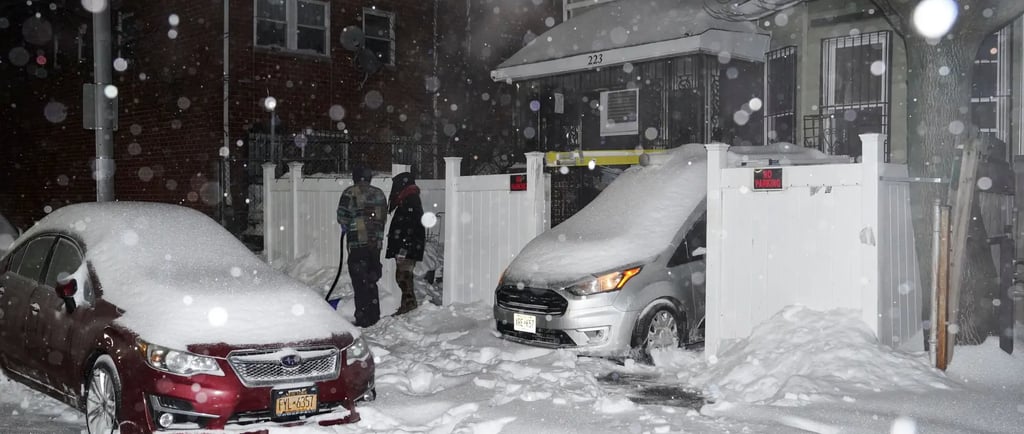
The ongoing winter storm of 2026 has brought unprecedented challenges to New York City, culminating in a heartbreaking loss of life. Reports indicate that fifteen individuals succumbed to the severe weather conditions that have enveloped the region. As the storm wreaked havoc with heavy snowfalls, ice accumulation, and frigid temperatures, many were caught unprepared, leading to tragic outcomes.
Among the casualties were individuals from diverse backgrounds, each with unique stories that weave into the broader narrative of this catastrophe. One poignant story is that of a young mother who ventured out to retrieve supplies for her children, only to be caught in a sudden snow drift that stranded her. Family members describe her as a beacon of strength, and her loss has sent shockwaves through her community. Similar testimonials echo throughout the city, as families recount the harrowing experiences that led to these preventable tragedies.
Authorities and city leaders are grappling with the aftermath of this winter storm, implementing emergency responses to provide necessary assistance. Shelters have been opened to those displaced by the storm, and outreach efforts are racing against time to ensure the safety of vulnerable populations. Local organizations are mobilizing to provide food, warmth, and basic necessities for those in need.
This winter storm underscores the significant challenges that cities face amid changing climate patterns. With weather events becoming increasingly severe, it is imperative for urban areas to develop robust plans to mitigate the effects of such winter storms. The events in New York City serve as a crucial reminder of the importance of preparedness, community support, and resilience in the face of nature's fury.