
Grim Update on US Winter Storm: Death Toll Hits 45
WEATHERNEWS
Bernardo Prantz Pin
1/28/20264 min read
The Rising Death Toll and Humanitarian Crisis in the South
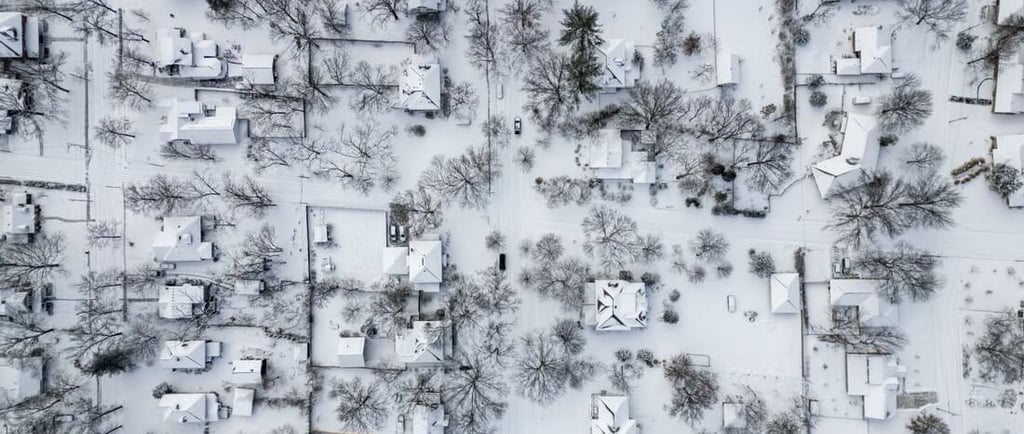
As of January 28, the death toll from the recent winter storm in the United States has tragically risen to 45 individuals. This devastating event has particularly impacted states such as Mississippi and Tennessee, where communities are grappling with not only loss of life but also severe humanitarian challenges. The combination of extreme cold conditions and widespread power outages has left over 560,000 residents without heat, creating a dire situation that demands immediate attention and assistance.
Reports from local authorities indicate that the harsh weather has led to a multitude of crises, including elevated rates of hypothermia and other cold-related injuries. The ongoing power shortages have significantly hampered heating capabilities in homes, putting vulnerable populations, such as the elderly and those with pre-existing health conditions, at immense risk. Emergency shelters are struggling to keep up with the growing demand for safe and warm havens, as the relentless cold shows no immediate signs of abating.
Personal stories emerging from this crisis illustrate the hardships faced by families across the region. One family in Jackson, Mississippi, recounted their experience of being trapped in their home without heat for several days, exposed to dangerous temperatures that dipped below freezing. Meanwhile, another individual from Nashville, Tennessee, shared their panic of trying to find a generator amid widespread shortages, fearing the consequences of prolonged exposure to the frigid air. These tales reflect a broader narrative of desperation and the urgent need for humanitarian aid.
The gravity of this winter storm cannot be overstated. With fatalities mounting and communities in dire need of resources, it is critical for both local and federal agencies to mobilize quickly and offer the necessary support. As the situation develops, it is incumbent upon the nation to respond compassionately to the ongoing humanitarian crisis, ensuring that those affected receive the assistance they so urgently need.
Tragedy Strikes in Texas: Three Children Lost
In a heartbreaking incident that has shocked the nation, three young children tragically lost their lives after falling into a frozen pond in Texas. The circumstances surrounding this accident have raised pressing questions regarding winter safety, particularly for children playing outdoors during harsh weather conditions. Reports indicate that the children, aged between six and eight years old, were playing near the pond when they fell through the ice, which had formed due to the recent winter storm affecting the region.
The community in Texas has united in mourning, grappling with the profound loss of these young lives. Parents and community leaders have emphasized the importance of vigilance, especially during periods of severe winter weather when outdoor play can turn perilous. Emotional reactions have flooded in from grieving families and friends, many of whom remember the children for their vibrant spirits and playful nature. Local residents have come together to offer support to the affected families, holding vigils and fundraisers to help ease the burden of such an unimaginable tragedy.
This incident serves as a stark reminder of the need for increased awareness of winter safety measures. Parents are urged to educate their children about the dangers of frozen bodies of water, while communities must reinforce safe play areas and provide guidelines during inclement weather. The emotional impact on the victims’ families cannot be overstated; they face an unfathomable grief that will resonate within the community for years to come. As the town begins to heal, there is a collective hope that this tragedy will prompt a conversation about safety measures that could prevent similar accidents in the future.
Homeless Victims in NYC: A Dire Situation
The recent harsh winter conditions in New York City have brought to light the alarming vulnerability of the homeless population, leading to the tragic deaths of ten individuals. This grim reality underscores the significant challenges that face those who are without stable housing, particularly during extreme weather events. When temperatures plummet, the homeless are often left with few options, as shelters become overcrowded and many remain apprehensive about the conditions in such facilities.
Additionally, systemic issues such as insufficient affordable housing, lack of accessible mental health services, and inadequate funding for outreach programs exacerbate the vulnerability of homeless individuals. Many face barriers that prevent them from seeking help, including stigma, fear of harassment, or previous negative experiences with shelter systems. As a result, a substantial number of these individuals remain on the streets, exposed to the elements, which raises the risk of hypothermia and other cold-related health issues.
The ongoing situation necessitates an urgent response. Local organizations and government agencies must collaborate to bolster outreach efforts and provide essential services such as warm meals, clothing, and emergency shelter. Moreover, it is crucial to implement long-term solutions aimed at reducing homelessness altogether, including enhancing access to affordable housing and offering comprehensive support services tailored to the needs of this vulnerable population.
Continued advocacy for improved policies and increased funding is essential to ensure that the most at-risk members of society are safeguarded, especially during severe weather events. Society must collectively confront the challenges that the homeless face and prioritize initiatives that protect their well-being amidst the cold that can prove fatal.
Warning of Black Ice: A Hazard for Drivers Tonight
As temperatures continue to drop, the phenomenon of black ice poses an increasing threat to drivers navigating winter roads across the United States. Black ice, a thin layer of transparent ice that forms on asphalt, is particularly dangerous because it is often invisible, making it hard for drivers to detect until it is too late. With recent forecasts predicting further declines in temperature, it is essential for all motorists to familiarize themselves with the characteristics of black ice, as well as methods to safely navigate these treacherous conditions.
Recognizing black ice is vital for safety. Generally, it appears on bridges, overpasses, and shaded areas where the sun may not reach. When looking out for black ice, keep an eye on the surface texture of the road: a glossy or wet look can indicate its presence. Moreover, overnight and early morning conditions are particularly susceptible to black ice formation due to decreased temperatures.
Statistics highlight the severe risks associated with winter driving; according to the National Highway Traffic Safety Administration, winter road conditions contribute to over 12,000 crashes annually, with many stemming from black ice incidents. To mitigate these risks, it is crucial for drivers to adhere to several key precautionary measures. Reducing speed, maintaining increased following distances, and avoiding sudden movements of the steering wheel can substantially increase control of the vehicle on icy roads.
Additionally, equipping vehicles with winter tires can enhance grip, while ensuring proper vehicle maintenance, including checking the brakes and fluids, is equally important. By taking these proactive steps, drivers can significantly decrease the likelihood of accidents caused by black ice during this harsh winter season. Remaining vigilant and prepared are the keys to navigating hazardous conditions safely.