
Crisis in Minneapolis: Urgent Developments from January 28, 2026
NEWSECONOMYPOLICY
Bernardo Prantz Pin
1/28/20264 min read
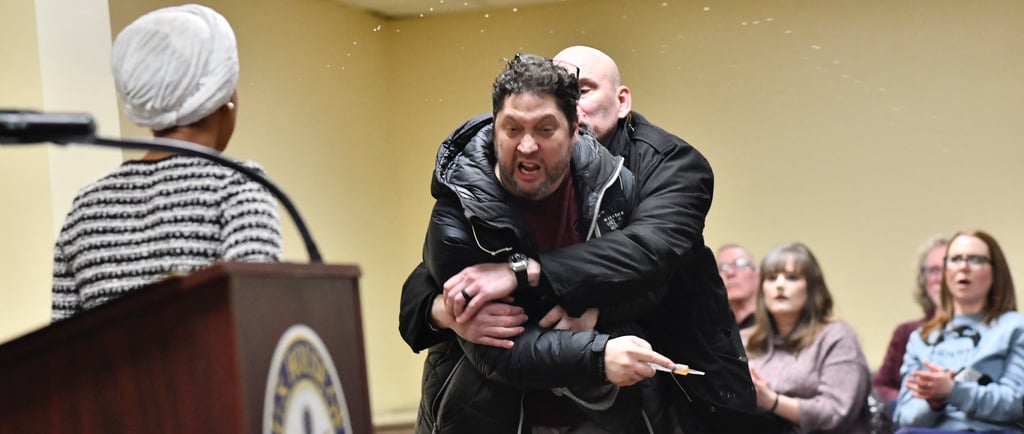
The Attack on Congresswoman Ilhan Omar
On January 28, 2026, a distressing incident unfolded during a town hall meeting held in Minneapolis, where Congresswoman Ilhan Omar was attacked with an unidentified substance. The event took place at a local community center, a venue known for facilitating public dialogue and engagement between elected officials and constituents. It was at approximately 7 PM, during a particularly heated exchange regarding community issues, that the attack occurred.
Eyewitnesses reported seeing a man approach Congresswoman Omar before suddenly spraying her with the substance, which initially caused chaos and panic within the room. Several attendees described the moment as surreal and terrifying, with some scrambling for safety while others rushed to assist the Congresswoman. Medical personnel were quickly summoned to the scene, and Omar was later treated for minor injuries, though the specific nature of the substance was not immediately disclosed.
In the immediate aftermath, law enforcement officials initiated a thorough investigation into the attack, viewing it as a serious threat not only to Congresswoman Omar but also to the principles of democratic engagement. The implications of this incident were quickly recognized, as safety concerns surrounding political figures have been mounting in recent years. Community leaders and activists voiced their outrage, highlighting the need for increased protection for elected officials, particularly those representing marginalized communities.
Congresswoman Omar addressed the incident shortly after it occurred, stating, "I will not be deterred by acts of violence. My commitment to my constituents and to advocating for justice remains unshaken." This sentiment was echoed by many in the community, who rallied in support of Omar, emphasizing the need for unity against acts of aggression motivated by hate. The incident has since raised crucial discussions surrounding safety protocols for public officials and the broader societal implications of politically motivated violence.
Arrival of Trump’s 'Border Czar' Tom Homan
On January 28, 2026, Tom Homan, appointed as the 'Border Czar' by President Trump, arrived in Minneapolis amidst growing unrest and tensions in the area. Known for his staunch views on immigration policy, Homan's presence in the city signifies a more aggressive approach to border security and enforcement. His declaration to take control of the situation highlights an intense focus on re-establishing order in a region grappling with conflicting narratives and escalating protests.
During a press conference, Homan conveyed his commitment to restoring safety and stability to Minneapolis, which has seen rising concerns over immigration and public safety. He stated, "We are here to ensure that the laws are upheld and that communities feel secure. It is imperative that we respond effectively to the challenges that have emerged in this critical time." This statement not only reflects his mission but also sets the tone for a determined federal intervention in local matters.
However, Homan's arrival has sparked significant dissent among local officials, especially Minnesota Governor Tim Walz. Governor Walz has openly opposed Homan's involvement, citing potential misunderstandings of the local context and the delicate social fabrics at play. In a public statement, Walz expressed, "We need to approach this unrest with empathy and understanding, rather than a heavy-handed response that could exacerbate tensions further." This disagreement illuminates a broader power struggle between state and federal authorities, with differing visions on how to address the crisis effectively. Moreover, community activists have voiced concerns over Homan's strategies, arguing that they may deepen the divides instead of healing them.
The contrasting perspectives between Homan and Governor Walz symbolize the complex landscape of governance in times of crisis. As both officials prepare to navigate this situation, the unfolding events in Minneapolis will likely set a precedent for future federal-state relations in matters of crisis management and security policy.
Civil Unrest Following Alex Pretti's Death
The death of Alex Pretti on January 28, 2026, has ignited significant civil unrest in Minneapolis, escalating tensions within the community. His passing occurred under controversial circumstances that many perceive as indicative of systemic issues facing marginalized groups in the city. Eyewitness reports suggest that Pretti was involved in an altercation with law enforcement, which culminated tragically, prompting immediate outrage among residents and prompting calls for accountability.
As news of Pretti's death spread, the city witnessed an outpouring of grief and anger, leading to organized protests that quickly spiraled into larger demonstrations. Community leaders and activists have rallied, amplifying the call for justice and transparency in the investigation surrounding Pretti's death. Many participants in the protests express a shared sentiment of frustration with the local law enforcement practices and the length of time community concerns have been overlooked. Accounts from demonstrators highlight a demand not only for justice for Pretti but also for broader reforms in policing and community relations.
The protests have witnessed both peaceful gatherings and instances of escalation, including confrontations between demonstrators and law enforcement. This tumultuous environment has nurtured a feeling of urgency among protesters, signaling that the issues at play are far from isolated incidents but rather reflect longstanding social injustices. Residents convey a palpable sense of fear and uncertainty as they navigate the ramifications of this unrest. Observers note that the situation in Minneapolis serves as a microcosm of national dialogues surrounding race, policing, and civil rights, contributing to an ongoing discourse that extends far beyond the city limits.
The White House's Stance and Future Implications
The ongoing crisis in Minneapolis has prompted varied responses, but the White House has remained steadfast in its current position regarding the situation. Despite escalating tensions and widespread calls for change, the administration refuses to deviate from its established policies. This adherence to a set trajectory has sparked criticism, particularly concerning its implications for federal-state relations. The inflexibility demonstrated by the White House can potentially lead to a deterioration of cooperation between federal and state entities, complicating efforts to address the urgent needs of Minneapolis residents.
Furthermore, as tensions escalate, the likelihood of increased violence cannot be overlooked. Communities already experiencing unrest may find themselves in even more precarious situations if the federal government does not adequately address the ongoing crises. The stance of the administration raises concerns regarding civil rights, particularly for marginalized groups who are disproportionately affected by state policies. As communities advocate for their safety and rights, the government's reluctance to engage in dialogue may provoke further unrest, creating a cycle of violence and retribution.
The consequences of the White House's position extend beyond Minneapolis, impacting the landscape of civil rights movements across the nation. Other states observing this situation may feel emboldened, either to pursue similar stances or, conversely, to amplify their demands for reforms. The long-term implications of this crisis could reverberate throughout the country, fostering a more significant focus on social justice issues. Thus, how the White House navigates the current challenges will likely shape the trajectory of advocacy and reform efforts nationwide, influencing the relationship between communities and governmental authorities for years to come.