
Gavin Newsom vs. TikTok: Accusations of Censorship and Data Center Outages
NEWSPOLICY
Bernardo Prantz Pin
1/27/20264 min read
The Accusation: Newsom's Claims Against TikTok
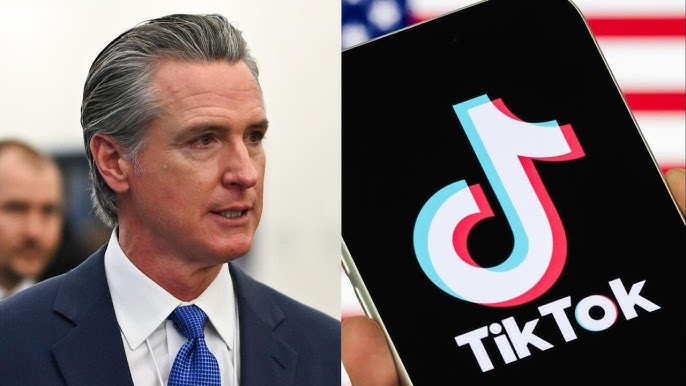
In recent months, California Governor Gavin Newsom has escalated his accusations against TikTok, asserting that the platform has been systematically suppressing content that criticizes former President Donald Trump. This assertion is emblematic of a broader concern regarding the role of social media in shaping public discourse, particularly during an election season. Newsom's claims stem from perceived shifts in TikTok's ownership and operational strategies, which he argues have led to an alignment with conservative values.
Governor Newsom articulated his stance in a statement highlighting his apprehensions about free speech in the digital age. He remarked, "When a platform like TikTok begins to silence voices that challenge political narratives, we must question the implications for democracy and open dialogue." His statement raises critical concerns about how the algorithms controlling content visibility on social media platforms may be influenced by corporate ownership decisions.
The context of Newsom’s allegations is further exacerbated by a perceived trend among major technology companies that may lean towards conservatism, influencing the portrayal of political figures and events. Furthermore, the recent sale of TikTok's U.S. operations in the wake of scrutiny over user data security has led to speculation regarding its content moderation policies. Critics argue that such ownership changes might affect the platform's neutrality, aligning it more closely with certain political ideologies.
As the situation evolves, the governor's comments reflect wider apprehensions surrounding censorship and the implications of social media influence in political realms. Newsom’s assertions challenge us to consider the balance between corporate interests and the preservation of democratic principles in digital spaces. The discourse surrounding these allegations is likely to continue as stakeholders navigate the complex intersection of technology, politics, and free expression.
TikTok's Defense: The Explanation Behind Glitches
In the wake of Governor Gavin Newsom's allegations regarding potential censorship by TikTok, the platform has mounted a defense, attributing the purported content suppression to technical issues, specifically a data center power outage. This defense highlights the importance of understanding the operational complexities of TikTok's infrastructure, which consists of numerous data centers that are crucial for the platform's functionality.
Data centers play an essential role in managing the vast amount of user-generated content on TikTok. When an unexpected outage occurs in these facilities, it can lead to significant disruptions in service, particularly affecting the visibility of content. Users may find that their videos are not appearing on feeds, or that engagement rates drop severely for a period. Such issues may inadvertently create the appearance of censorship, as individuals may not immediately recognize that the problem lies within the platform's technical framework instead of an intentional suppression of content.
Moreover, TikTok's ability to communicate effectively during crises is crucial for maintaining user trust. The company has issued statements reiterating its commitment to transparency and addressing glitches promptly. As it navigates a landscape of political scrutiny, TikTok must balance operational integrity with user concerns to uphold its reputation. The clarity in communication regarding infrastructure challenges can mitigate misunderstandings and help users retain confidence in the platform.
In conclusion, while the accusations of censorship from figures such as Governor Newsom are serious, it is important to consider the technical explanations provided by TikTok. By shedding light on how data center outages impact user experience, TikTok aims to clarify that such glitches are operational failings rather than deliberate content suppression.
Analyzing the Political Implications of Ownership Changes
The recent decision regarding TikTok's sale to a U.S. conservative group raises significant questions about the political landscape and the implications of ownership on social media platforms. The change in ownership could potentially alter the platform's content moderation policies, impacting the manner in which user-generated content, particularly related to political figures, is monitored and disseminated. As TikTok transitions under the influence of this conservative group, one must consider how this shift may foster a unique environment for political discourse that may align with specific ideological perspectives.
This new ownership may lead to a realignment of content policies, with the potential for increased censorship of content that does not align with the new management's political leanings. Such changes could contribute to heightened scrutiny of user-generated content, particularly that which criticizes political figures or promotes progressive narratives. The implications of this realignment extend beyond the platform itself, as it may influence general public perceptions of free speech and censorship in the digital era. Furthermore, users may rethink their engagement with the application, fearing that their political expressions could be stifled under a new regime that favors particular ideological stances.
The interconnectedness between social media platforms and political biases complicates this scenario. While companies have a legitimate interest in content moderation, the convergence of corporate interests and political affiliations raises fundamental concerns about the integrity of information shared online. Debates surrounding censorship have intensified, with arguments reflecting the broader societal context of free speech versus the responsibility of private companies to regulate harmful content. In this context, TikTok's ownership shift symbolizes a larger narrative about the role of digital platforms in shaping discourse, echoing broader tensions in American society surrounding corporate influence and political expression.
The Future of Political Discourse on Social Media
The ongoing clash between Californian Governor Gavin Newsom and TikTok serves as a pivotal moment in the evolution of political discourse on digital platforms. As accusations of censorship emerge, the implications extend beyond the immediate conflict and delve into a broader conversation about the intersection of technology, governance, and free speech. The rapid rise of social media has transformed how political messages are disseminated, enabling influencers and everyday citizens alike to engage with political debates. However, this democratization of communication brings substantial challenges.
Firstly, the issue of censorship on platforms like TikTok raises critical questions about user expression. With increased scrutiny from government officials, technology companies may feel pressured to implement more rigorous content moderation practices. This can often result in the suppression of dissenting viewpoints, raising fears among users that they may face repercussions for expressing controversial political opinions. Thus, a careful balance must be achieved to safeguard free speech while ensuring that harmful misinformation does not proliferate.
Moreover, the corporate governance of social media companies like TikTok plays a significant role in shaping online discourse. As these entities navigate conflicting pressures from regulators and users, the potential for evolving regulations could redefine the parameters of acceptable content in future political landscapes. As we look toward 2026, one might predict rigorous legislative efforts aimed at establishing clearer guidelines for online political engagement, especially as platforms grapple with complex issues like data privacy, misinformation, and the role of international surveillance.
Ultimately, the conflict between Gavin Newsom and TikTok may serve as a harbinger of the challenges and adaptations that will characterize the future of political discourse on social media. Lawmakers, as well as technology companies, will need to navigate these waters carefully, fostering an environment that promotes robust dialogue while addressing the undeniable concerns surrounding censorship and data management.