
Grim Weather Update: Unprecedented Winter Storm Impact - January 27, 2026
WEATHERNEWS
Bernardo Prantz Pin
1/27/20264 min read
Rising Death Toll from the Winter Storm
As the relentless winter storm continues to sweep across the United States, the situation has taken a grave turn with the confirmed death toll rising to 30 individuals. This unprecedented weather event has wreaked havoc in numerous states, with especially severe impacts reported in the Midwest and Northeast regions. The fatalities have largely resulted from a combination of factors including traffic accidents, carbon monoxide poisoning, and exposure to the harsh elements.
Road conditions across affected areas have significantly deteriorated due to heavy snowfall and ice accumulation, resulting in treacherous driving scenarios that have contributed to numerous accidents. Emergency services have reported a spike in calls related to vehicle collisions. Moreover, many who sought refuge from the storm in their cars have fallen victim to carbon monoxide poisoning due to running their engines in enclosed spaces while waiting for conditions to improve. This highlights the critical importance of adhering to safety protocols during extreme weather.
Additionally, reports indicate that some individuals have died from exposure to dangerously low temperatures, particularly those without adequate shelter or resources. Cities and towns grappling with power outages have further exacerbated these scenarios, leaving communities vulnerable during the freezing conditions. With predictions of continued snowfall and plummeting temperatures, the urgency for implementing effective safety measures cannot be overstated. Public safety agencies are imploring citizens to remain indoors whenever possible and to stay informed regarding evolving weather conditions.
As this winter storm progresses, it serves as a sobering reminder of the dangers posed by extreme weather events. The rising death toll emphasizes the need for heightened awareness and preparedness to avert further casualties as communities strive to navigate these challenging circumstances.
Tragic Loss in NYC: The Homeless Community Affected
New York City is currently grappling with the harrowing consequences of an unprecedented winter storm, which has tragically affected its homeless population. Reports have emerged of five homeless individuals found frozen due to the extreme cold, underscoring the dire circumstances faced by this vulnerable segment of society. These heartbreaking revelations have sparked public outrage and concern, highlighting the urgent need for systemic changes to effectively address homelessness in the city.
In response to this tragedy, NYC Mayor Mamdani has announced a series of intensified measures aimed at safeguarding the lives of those experiencing homelessness. The decision to implement forced sheltering measures reflects a growing recognition of the immediate dangers posed by severe winter conditions. Such measures will encourage individuals to seek shelter during life-threatening weather, though they come with their own set of controversies and challenges. Critics argue that while providing shelter is essential, without addressing the root causes of homelessness, these solutions may only serve as temporary fixes.
The emotional toll on the community cannot be overstated. For many, these tragedies serve as a stark reminder of the precariousness of life on the streets, especially during adverse weather. The collective grief felt by residents and advocates amplifies the urgency to tackle the systemic issues that contribute to homelessness, such as lack of affordable housing, mental health support, and employment opportunities. Efforts must prioritize long-term solutions rather than solely focusing on emergency responses. Engaging community organizations and stakeholders is critical in developing effective strategies that safeguard lives and support those affected by homelessness.
Ice Storm Devastation in the South
The recent ice storm that swept through the southern United States, particularly impacting Tennessee and Mississippi, has resulted in unprecedented devastation. With over 560,000 power outages reported, communities are facing significant challenges. The freezing rain and sleet have blanketed roadways and power lines, causing widespread disruptions in infrastructure and hampering efforts to restore services.
The intensity of this ice storm has raised concerns regarding public safety. Roads rendered impassable by a thick layer of ice pose a grave risk to commuters and emergency responders alike. As a result, local authorities are urging residents to remain indoors and avoid unnecessary travel until conditions improve. Schools and businesses have also made the decision to close their doors temporarily, prioritizing the safety of students and employees.
Utility companies are working diligently to restore power to affected areas, mobilizing crews from various regions to assist in the recovery effort. However, the combination of hazardous weather conditions and extensive damage to the power grid complicates restoration attempts. Many residents are left without electricity, heating, or the ability to cook meals, which amplifies concerns about public health during this critical time.
Emergency services are deployed to assist those most in need, providing shelters for individuals displaced by the storm. Local organizations are coordinating efforts to deliver food and supplies to communities grappling with the aftermath of the icy conditions. As the situation develops, monitoring the ice storm's impact on everyday life and long-term recovery is essential.
This calamity serves as a reminder of the vulnerability of infrastructure to extreme weather events, highlighting the importance of preparedness and response strategies for future incidents. With continued efforts to restore normalcy, communities are rallying together in the face of adversity, demonstrating resilience in the wake of the ice storm's devastation.
Travel Disruptions and the Deep Freeze Forecast
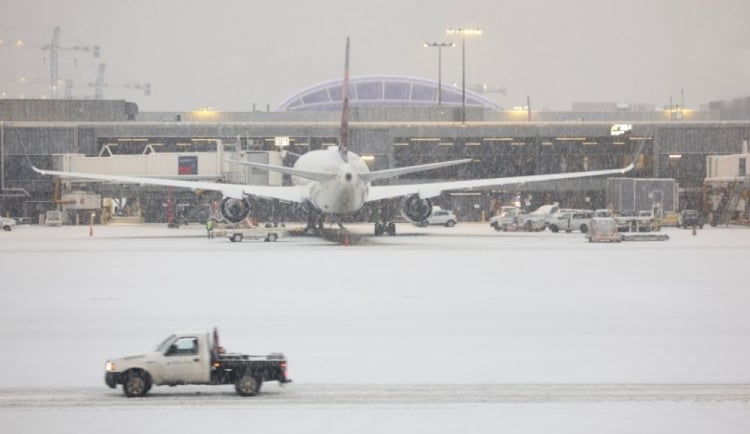
The winter storm that has swept across the nation has resulted in unprecedented travel disruptions, with over 5,000 flight cancellations reported today alone. Major airlines have been hit hard, as the severe weather conditions have forced many airports to halt operations. This has left countless travelers stranded, scrambling for alternate modes of transportation or trying to book last-minute flights as they adjust to changes in their travel itineraries. Airports across the country are experiencing long lines and crowded terminals as people seek assistance, revealing the extensive impact of the cancellations.
As the storm continues to unfold, travel experts recommend that travelers remain vigilant and check their flight status frequently. In addition to cancellations, delays are also anticipated due to the adverse weather conditions and limited visibility. Travelers should prepare for potential challenges in finding accommodations and rental cars, as demand surges amid these unexpected disruptions.
Looking ahead, the National Weather Service has issued a forecast predicting a 'deep freeze' for many regions across the country in the upcoming week. This severe cold spell poses additional risks to both travelers and residents alike. With temperatures expected to plummet, travelers may face hazardous road conditions if they opt to drive. Moreover, subzero temperatures can lead to frostbite and hypothermia, increasing health risks for those exposed to the extreme cold.
As the nation grapples with this significant winter storm and the foreboding deep freeze, it is crucial for everyone to stay informed and take necessary precautions. The convergence of drastic travel disruptions and a lingering frigid front presents a perfect storm of challenges, highlighting the importance of preparedness during this time.