
Minneapolis Crisis Update: Federal Response Escalates After Shooting of Nurse Alex Pretti
NEWS
Bernardo Prantz Pin
1/27/20265 min read
The Incident: Shooting of Nurse Alex Pretti
On January 26, 2026, Minneapolis was shaken by an alarming incident involving the shooting of nurse Alex Pretti. This event occurred amidst a backdrop of heightened tensions in the city, which had been increasingly challenged by social unrest and violence. Pretti, a dedicated and compassionate healthcare provider, was reportedly shot while on her way home from a long shift, an incident that has left the community in disbelief.
The response from law enforcement was swift; authorities launched an investigation almost immediately after the shooting, working diligently to find the individual responsible for this heinous act. Community members gathered in solidarity, expressing their outrage and supporting Pretti’s family during this difficult time. The Minneapolis Police Department released statements emphasizing their commitment to bringing the perpetrator to justice and enhancing safety in the area.
A strong wave of support flooded in for Pretti from her colleagues and the public alike. As a nurse revered for her tireless contributions to patient care, her well-being naturally sparked immense concern within the healthcare community. Colleagues shared stories of her dedication and resilience, while fundraising efforts quickly emerged to support her medical expenses and recovery. Social media platforms buzzed with messages of love and encouragement, showcasing her impact on countless lives.
This tragic incident has sparked important conversations about the safety and well-being of healthcare workers in Minneapolis amid rising tensions. The implications of this shooting reverberate beyond Pretti's immediate circle, stirring discussions regarding workplace safety, mental health, and the overall challenges faced by individuals in the healthcare sector during such turbulent times. Community leaders are now tasked with addressing these issues and pledging support to protect those who dedicate their lives to caring for others.
Federal Response: Operation Metro Surge
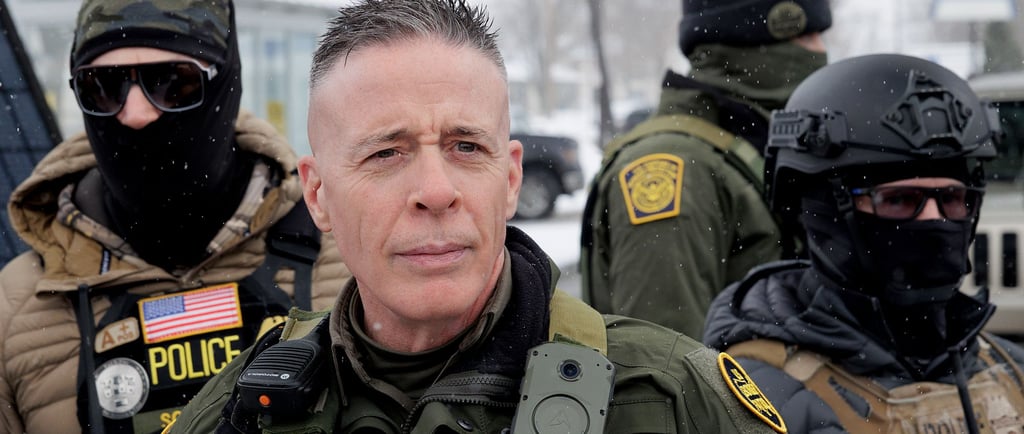
In response to the ongoing crisis following the shooting of nurse Alex Pretti, President Trump has enacted a significant measure by appointing Tom Homan as the federal 'border czar' to oversee 'Operation Metro Surge'. This decision reflects a broader strategy of enhancing federal presence in Minneapolis to stabilize the situation and address community concerns. Homan, who brings extensive experience from his tenure as the head of U.S. Immigration and Customs Enforcement (ICE), is known for his strong stance on law enforcement and community safety initiatives.
Operation Metro Surge aims to deploy additional federal resources to the region, with objectives that include increasing security, enhancing communication between state and federal governments, and fostering community relations. The initiative intends to mitigate unrest and reassure the local populace that their safety is prioritized. Homan's background in border enforcement will likely influence strategies focused on maintaining order and preventing further violence.
The federal strategies under Operation Metro Surge incorporate collaborative efforts with local law enforcement agencies, aiming to establish a unified command structure. This approach seeks to address the immediate crises while also taking proactive steps to engage with community stakeholders. Local government officials, however, have displayed a mixed reaction to the increased federal presence. While some support the implementation of additional resources and expertise, others express concerns regarding the potential for federal overreach and its implications for local governance.
The situation continues to evolve, and the success of Operation Metro Surge will depend on its ability to balance federal support with local needs and sentiments. The decision to escalate federal involvement in Minneapolis underlines the urgency of addressing not only public safety but also the underlying issues contributing to community tensions. This operation will likely serve as a test case for similar federal interventions in the future.
Political Tensions: Trump vs. Walz
In the wake of the tragic shooting involving nurse Alex Pretti, political tensions have surged as conflicting narratives emerge from the White House and the Minnesota state government. President Donald Trump characterized the incident as a "tragedy,” which reflects a traditional approach of offering condolences in the face of violence. However, the political response was complicated by senior advisor Stephen Miller, who referred to Pretti as a "would-be assassin," a remark that not only intensified the political drama but also showcased the often polarizing rhetoric emanating from the Trump administration.
This dissonance in messaging presents a stark contrast influencing public perception and igniting debate among political factions. President Trump’s sympathetic framing seemingly aimed at uniting the nation in grief stands in opposition to Miller’s accusatory tone, which appears to designate Pretti’s actions as beyond the scope of a mere incident, instead implicating broader issues of safety and political violence. This division provides fertile ground for both major parties to utilize the situation to bolster their respective narratives, often prioritizing political gain over collective healing.
On the other side, Minnesota Governor Tim Walz has openly protested the escalation of federal intervention in his state’s affairs, advocating for the autonomy of state governance. Walz emphasizes that local leadership should guide responses to crises that affect communities directly, without the looming shadow of federal oversight politicizing sensitive issues. He argues that the state has the capacity to manage its own crises effectively and that heightened federal involvement could misinterpret the gravity of incidents like the shooting of Pretti, reducing complex matters to partisan soundbites rather than focused solutions.
This ongoing tug-of-war represents a critical moment in the political landscape, illustrating how tragic events can become pawns in larger power struggles, impacting the narratives crafted by those in leadership positions.
The recent shooting of nurse Alex Pretti has sent shockwaves throughout Minneapolis, eliciting strong reactions from various stakeholders within the community. Healthcare professionals have expressed a profound sense of fear and uncertainty about their safety while serving essential roles in the community. Many feel that incidents like this threaten not only their personal well-being but also the healthcare system’s ability to function effectively, as healthcare workers may be deterred from working in high-risk areas.
Law enforcement officials have also weighed in, acknowledging the challenges posed by rising violence and their department's struggle to ensure public safety. The federal government’s increased involvement has been met with mixed responses; some view it as a necessary step towards restoring order, while others fear it may lead to further negative perceptions of policing in the community.
Community leaders have emphasized the need for constructive dialogue and collaboration between law enforcement and residents. They argue that real solutions require addressing the root causes of violence, such as socioeconomic inequality and systemic racism. Many are calling for justice in the case of Alex Pretti, but there is an underlying concern regarding the implications of federal intervention, which could potentially exacerbate polarizing sentiments in the community.
The general public’s reaction varies widely, reflecting a spectrum of emotions including confusion, anger, and sorrow. This incident has prompted calls for comprehensive reform that prioritizes both justice for victims and a proactive approach to reducing violence in Minneapolis. The looming questions surrounding the city’s future are pressing: How will increasing federal presence impact community relations? Can Minneapolis evolve into a safer environment for all its residents? As stakeholders wrestle with these crucial issues, the path forward remains uncertain, necessitating deep reflection and collective action.