
Legal Update: Conflicting Abortion Pill Rulings in the U.S. – Wyoming vs. Louisiana
NEWSHEALTH
Bernardo Prantz Pin
1/27/20264 min read
Overview of Recent Abortion Pill Rulings
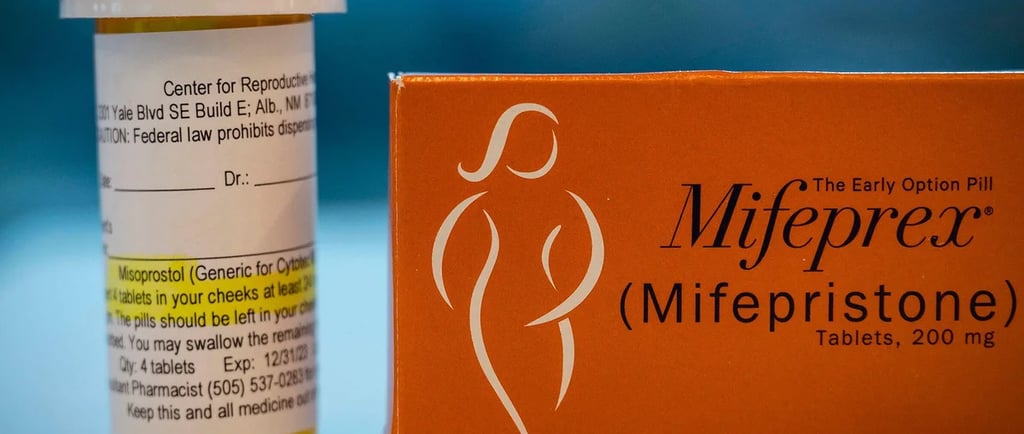
Recent legal developments in the United States regarding the abortion pill mifepristone have elicited significant attention and debate. On January 7, 2026, the Wyoming Supreme Court issued a landmark ruling that deemed the state’s abortion pill ban unconstitutional. This decision is pivotal as it effectively reinstates access to mifepristone in Wyoming, a crucial medication used to terminate early pregnancies. By striking down this restrictive measure, the court highlighted the necessity for lawful access to healthcare and reaffirmed patients' rights to make autonomous decisions concerning their reproductive health.
Conversely, Louisiana lawmakers have taken a contrasting approach, seeking to implement measures that would allow for the extradition of doctors providing abortion services from out-of-state to face prosecution. This legal maneuver signifies an increasingly aggressive stance against abortion access, demonstrating a deepening divide in judicial attitudes towards reproductive rights across the nation. The juxtaposition of the rulings from Wyoming and Louisiana presents a stark reflection of the ongoing battles surrounding abortion legislation, with Wyoming paving a path towards greater access while Louisiana intensifies its restrictions.
These conflicting rulings not only present immediate implications for women seeking abortions in their respective states but also set a precedent that could influence future legal interpretations and case law relating to reproductive rights. The decision in Wyoming exemplifies a judicial protection of reproductive freedom, whereas the Louisiana approach is indicative of a punitive legal framework that could deter healthcare providers. This scenario sets the stage for further debates, as both staunch advocates and opponents of abortion rights prepare to engage in ongoing legal challenges and legislative efforts aimed at shaping the future of abortion access in the United States.
The Legal Implications of Extraterritoriality in Abortion Services
The contentious legal landscape surrounding abortion services in the United States has significantly intensified, particularly illustrated by Louisiana's attempt to extradite physicians who prescribe or administer mifepristone from other states. This move underlines a growing inclination among certain states to regulate abortion practices vigorously within their jurisdictions, despite the existence of conflicting laws in states such as Wyoming.
Extraterritoriality refers to the ability of a jurisdiction to enforce its laws beyond its geographical borders. Louisiana’s actions raise critical legal questions about the extent to which states can impose their regulations on individuals and practices occurring in states with more liberal abortion laws. For instance, Louisiana officials argue that their right to regulate healthcare within their borders extends to preventing mifepristone from being administered across state lines, thereby positioning themselves as protectors of what they deem are state-defined moral values.
However, legal precedents exist that challenge this overreach. Under the U.S. Constitution's Full Faith and Credit Clause, states are required to respect the laws and judicial proceedings of one another. This forms a basis for potential legal objections against Louisiana's extradition efforts. If successful, Louisiana's stance may not only create a precedent for similar actions in other conservative states but also exacerbate the polarization concerning reproductive rights in the country. Moreover, it raises profound concerns around the protections afforded by federal law, as the conflict between state and federal regulations could lead to a series of appeals, possibly reaching the Supreme Court.
Ultimately, the implications of such actions extend beyond legal frameworks; they touch on broader societal issues, including access to healthcare and the ongoing debates concerning women's reproductive rights. As the legal battles unfold, they will likely shape the future of abortion services and the rights associated with them in the United States.
California's Stance on Abortion Pill Doctors
In recent developments surrounding reproductive healthcare, California Governor Gavin Newsom has taken a definitive stand regarding doctors implicated in providing abortion services. His refusal to extradite healthcare providers who are facing potential legal action in Louisiana signifies a vital protective stance for medical professionals offering abortion care, specifically the administration of mifepristone, an abortion pill that is under intense scrutiny across various jurisdictions.
This decision is rooted in California's commitment to safeguarding reproductive rights amid a plethora of conflicting legislative actions concerning abortion on the national stage. By protecting these physicians, Governor Newsom underscores California's position as a sanctuary for reproductive healthcare, fostering an environment where providers can operate without fear of retribution from other states with more restrictive abortion laws.
The implications of Newsom's actions extend beyond the immediate legal ramifications for those facing charges in Louisiana. It sends a powerful message regarding the state's support for healthcare providers and patients seeking access to abortion medication. In a broader political context, this move reflects California's progressive agenda on reproductive rights, contrasting sharply with states like Louisiana, which have enacted stringent measures against abortion. The divergence in legal approaches is indicative of a deeply polarized national dialogue on reproductive healthcare, placing states in direct opposition over issues of autonomy and medical ethics.
Ultimately, California's protective measures may serve as a model for other states that uphold reproductive rights. As legal battles over mifepristone and abortion access unfold, the actions taken by Governor Newsom may significantly influence the discourse surrounding reproductive healthcare, potentially safeguarding not only the rights of patients but also the professionals dedicated to providing these essential services.
The Future of Abortion Access and State vs. State Legal Warfare
The landscape of abortion access in the United States is becoming increasingly complex, particularly in light of recent conflicting rulings regarding the abortion pill. As states like Wyoming and Louisiana enact varying interpretations and restrictions concerning mifepristone, the situation underscores a profound uncertainty that could shape women’s reproductive rights moving forward, especially as we approach the year 2026. This context sets the stage for what could be described as ‘state vs. state’ legal warfare, where disparate laws may lead to confusing and precarious circumstances for those seeking abortion services.
The differing legal standards across states may create scenarios in which women must navigate a patchwork of regulations in order to access abortion pills. Those residing in states with stringent restrictions may find themselves in a situation where legal access becomes not just a matter of state law but also federal standing. As some states push for more restrictive measures, women may be forced to travel across state lines to seek the medical care they need, raising questions about the accessibility of reproductive health services. Additionally, the evolving legal frameworks surrounding reproductive rights contribute to a culture of fear and uncertainty among potential patients.
Moreover, the courts may become battlegrounds as challenging legal scenarios emerge from this conflict, leading to a drawn-out process that could ultimately disenfranchise women who require timely access to mifepristone. Legal blueprints may shift quickly, with appeals and new case rulings impacting the services available. It is essential for individuals to stay informed about their local laws, as the divisions among states regarding abortion access could lead to jurisdictional dilemmas. As we look to the future, it remains to be seen how these legal battles will unfold and what implications they will hold for women's reproductive rights across the nation.