
Ye's Latest Controversy: An Apology or a PR Stunt?
NEWSENTERTAINMENT
Bernardo Prantz Pin
1/27/20265 min read
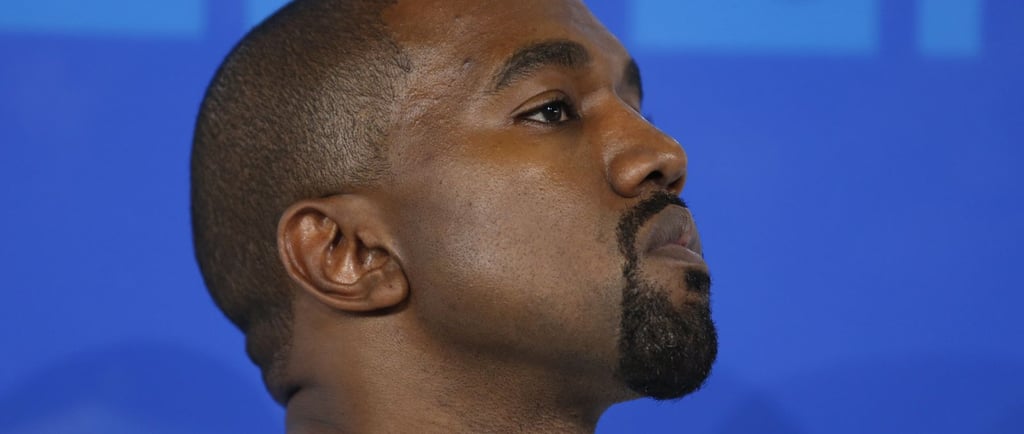
The Ad That Shook the Internet
In an unprecedented move, Kanye West, who now identifies as Ye, made headlines with a full-page advertisement published in The Wall Street Journal bearing the bold declaration, "I am not a Nazi." This advertisement has sparked significant public discourse, primarily due to its direct reference to Ye's previous contentious remarks and behavior that have been widely criticized as antisemitic. The timing and content of this public statement have raised questions regarding the sincerity behind it, leading many to speculate about whether it is a genuine apology or merely a calculated public relations stunt.
Ye's ad comes at a time when he has faced intense scrutiny and backlash for his past comments, which had alienated many and led to various professional consequences. By issuing such a stark proclamation, he seems to be attempting to redefine his narrative amidst a wave of controversy. Furthermore, this advertisement can be interpreted as a response to the mounting criticism and a strategic effort to mitigate the damage to his reputation. In the context of celebrity culture and the heightened stakes of public perception, the motivations behind this act are complex and multifaceted.
Notably, this advertisement occurs against a backdrop of recent events in Ye's life, including his business partnerships faltering and public engagements becoming increasingly fraught. The appeal to distance himself from Nazi ideologies is significant in its implications; it reflects not only an attempt to clarify his stance but also reveals an underlying fear of the lasting repercussions of his actions and statements. The boldness of this declaration serves to remind the public of his complicated relationship with controversy and the slippery path of redemption in the public eye. Ultimately, this advertisement encapsulates a pivotal moment that challenges our perceptions of celebrity accountability.
The Brain Injury Claim: A New Light or an Excuse?
The recent claims made by Ye, stating that his past antisemitic remarks may be linked to an undiagnosed brain injury from a car crash in 2002, have sparked intense debate. This assertion raises questions about the potential impact of brain injuries on behavior and mental health. Traumatic brain injuries (TBIs) can indeed lead to significant changes in mood, cognition, and social behavior. Research indicates that individuals who have suffered from TBIs may experience impulsivity, aggression, and difficulties with emotional regulation, suggesting that such an injury could, in some instances, contribute to adverse behavioral changes.
Studies involving patients with TBIs show evidence of a range of psychological effects, including depression, anxiety, and personality changes. These alterations in mental health can significantly influence an individual's behavior. Therefore, the implications of claiming brain injury as a factor in one's actions deserve careful examination. Ye's situation represents a complex interplay between documented neurological effects and societal perception of his past behavior and statements.
One must also consider Ye's history. His statements prior to this revelation exhibit a consistent pattern of controversial remarks, raising skepticism about whether his claim of a brain injury genuinely serves as a health crisis explanation or as a strategic deflection. The public's perception is crucial, as it may shape the acceptance of his assertion. Analyzing Ye's previous public persona alongside any documented health issues can enhance our understanding of how genuine these claims might be.
Ultimately, while the connection between brain injury and behavioral changes is supported by some scientific evidence, it remains uncertain whether Ye's explanation will resonate with the public or serve merely as an excuse for his past remarks.
2025 and the Call for Forgiveness
In a recent advertising campaign, Ye made a notable declaration, stating that he anticipates experiencing a manic episode in 2025, which he coupled with an earnest plea for forgiveness. This proclamation has drawn attention not only because of its timing but also due to its implications regarding his mental health journey. It reflects a significant aspect of celebrity culture, where mental health struggles often intertwine with public perception and audience expectations. Ye’s acknowledgment of a potential manic episode raises questions about his ongoing mental health issues, the visibility of such struggles, and the empathy— or sometimes lack thereof—afforded to public figures experiencing similar challenges.
Ye's appeal for forgiveness appears to be focused on various aspects of his personal and professional life. One could infer that he is seeking forgiveness from those he may have affected negatively during his previous episodes, including family, friends, and fans. This call for accountability is part of a broader narrative within celebrity culture, where figures often seek redemption amidst the waves of public scrutiny and criticism. The nature of forgiveness in this context goes beyond mere words; it represents a desire for understanding and a chance to rebuild relationships that may have been strained by past behavior.
Furthermore, Ye’s statement can be analyzed within the framework of public redemption. Celebrities often navigate the fine line between their personal battles and the public's perception of their character. The dynamics of forgiveness are complex, and in Ye's case, it offers an opportunity for dialogue about mental health and the stigma surrounding it. It also provokes discussions on how public figures can effectively communicate their struggles while seeking a second chance in the eyes of their audience. Ultimately, the significance of Ye's words lies in their potential to influence not only his journey but also those who struggle with mental health, creating a more compassionate dialogue around these important issues.
Public Reaction: Divided Opinions on Ye's Intentions
The recent actions and statements made by Ye, also known as Kanye West, have sparked intense debate among fans, critics, and mental health advocates alike. The polarized nature of the public's response to Ye’s words has unveiled a myriad of perspectives regarding his intentions—whether they stem from a place of genuine distress or are simply a calculated move to promote an upcoming project.
On one hand, there are many who interpret his recent public behavior as a cry for help, expressing concern for his mental well-being. This faction of supporters argues that Ye's struggles with mental health have been well-documented, which lends credibility to their belief that his recent statements are sincere pleas for understanding and support. Advocates for mental health emphasize the need for society to treat these disclosures with the seriousness they deserve, arguing that individuals in the limelight deserve compassion and assistance, especially when navigating turbulent personal challenges.
Conversely, a substantial segment of the public perceives these recent events as a strategic, media-savvy maneuver designed to generate buzz ahead of a new album release. Critics within the entertainment industry have highlighted patterns they believe indicate that Ye has a history of utilizing personal crises to bolster his publicity. This view raises questions about authenticity and ethical promotion in the celebrity sphere, particularly concerning the treatment of mental health issues in the public eye.
The crux of the debate touches on a broader phenomenon concerning celebrity crises and the dual-edged sword of fame. As discussions about mental health gain traction, it becomes imperative to discern the line between genuine expressions of distress and opportunistic behavior aimed at maintaining media relevance. Ultimately, this controversy reflects not only on Ye's actions but also on society's approach to mental health discussions, particularly as they intersect with fame.