
Understanding the US-Canada Trade Crisis: Tariffs, Tensions, and Tumult
NEWSPOLICYECONOMY
Bernardo Prantz Pin
1/27/20264 min read
The Trigger: Canada's New Trade Deal and the Chinese EV Sector
In recent months, Canada's government has initiated a significant trade agreement that lowers tariffs on imported electric vehicles (EVs) from China. This deal is positioned as a means to promote green technology and encourage the transition to sustainable energy practices within Canada. However, the reduction of tariffs on Chinese EVs raises complex questions and concerns among American manufacturers, particularly in light of the ongoing trade tensions between the United States and Canada.
The implications of Canada's deal with China are manifold. For American automotive companies, there is a growing fear that Canada could serve as a 'drop-off port' for Chinese goods, enabling imported EVs to circumvent stricter tariffs imposed by the United States. President Trump has expressed his unease regarding Canada's shifting trade dynamics, fearing that such agreements could undermine American manufacturing and employment. This context fuels the perception that the Canadian trade policy may inadvertently assist Chinese market penetration into North America.
Moreover, the agreement highlights the increasingly interconnected nature of global trade, where economic strategies and trade laws are pivotal in shaping competitive landscapes. For instance, Canada’s decision to lower tariffs aligns with its broader economic goals of fostering innovation and sustainability. However, it also ignites discussions about the fairness and reciprocity in international trade relations. The United States, already embroiled in a myriad of protective trade measures, finds itself again at a crossroads, evaluating the longevity and effectiveness of its own policies in response to Canada’s evolving agreements.
Through this lens, one can appreciate the intricate balance required in international trade negotiations, especially when national interests and global market dynamics intersect. As the situation develops, the impact of this trade deal on both Canadian and American automotive sectors remains to be closely monitored.
Trump's Response: Threats of Tariffs and Diplomatic Dissonance
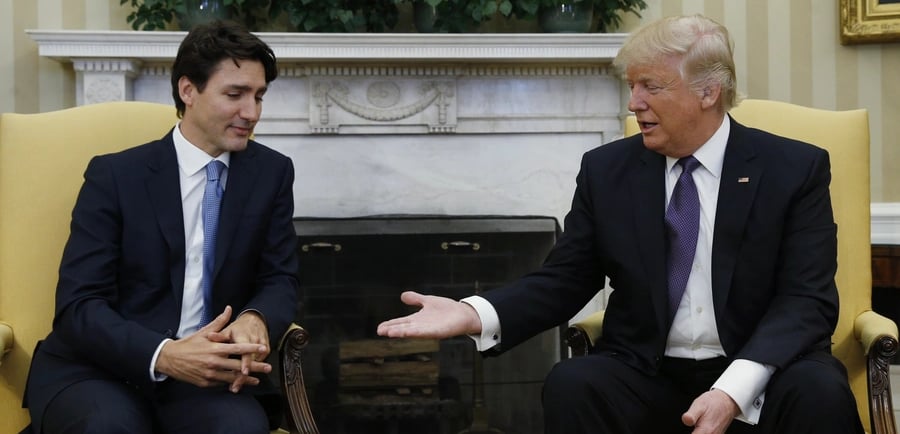
In the wake of escalating trade tensions between the United States and Canada, President Donald Trump displayed a rather aggressive stance, particularly through his pronouncements regarding tariffs. A notable instance occurred when Trump threatened to impose a staggering 100% tariff on all Canadian goods. This announcement not only sent shockwaves through the Canadian economy but also underscored the tumultuous state of US-Canada trade relations. The threats of such extreme tariffs are indicative of President Trump’s broader discontent with Canadian trade policies, which he perceives as unfavorable to American interests.
Trump's rhetoric surrounding this issue often painted Canada as less than cooperative. His engagement with the Canadian government showcased a recurring theme of confrontation over what he deemed unfair trade practices. This framework of intense economic pressure positions tariffs less as a negotiating tool and more as a weapon in the ongoing trade conflict. The potential repercussions of implementing such tariffs, which could disrupt supply chains and significantly raise consumer prices, further highlight the seriousness of these threats.
Additionally, the diplomatic implications of Trump's comments extend beyond mere economic discourse. His overt reference to Prime Minister Mark Carney as 'Governor Carney' in discussions strips away a layer of respect typically afforded to heads of state. This nomenclature signals a deterioration in diplomatic relations and can be interpreted as dismissive, reflecting a troubling trend of dissonance in US-Canada engagement. The underlying tensions work to erode a historically friendly relationship, posing a challenge for diplomatic negotiations in the future.
The Economic Aftermath: Panic in the Auto Industry
The threat of tariffs levied by the Trump administration triggered immediate panic within the North American automotive sector, a crucial pillar of the economy. The initial responses from major auto manufacturers revealed significant anxiety about the potential financial implications. Car makers such as Ford, General Motors, and Fiat Chrysler expressed concerns that tariffs would drive up production costs, ultimately forcing them to increase vehicle prices. This scenario would likely reduce consumer demand, significantly impacting sales figures.
In light of the looming tariffs, manufacturers began reassessing their supply chains. The automotive industry relies heavily on a complex web of suppliers, many of whom operate across the US-Canada border. Tariffs threatened to disrupt these existing relationships, causing a ripple effect through the entire supply chain. Companies that generally relied on cost-effective parts and labor began to explore alternative sources, leading to heightened operational costs and inefficiencies. This could further burden the overall economic viability of the automotive sector and lead to job losses.
Moreover, stock market responses to the trade tensions magnified the industry's vulnerabilities. Shares of major automakers experienced considerable volatility as investors reacted to the uncertainty posed by potential tariff enforcement. Financial analysts projected that prolonged trade disputes could lead to a reduction in earnings forecasts for major automotive companies, ultimately eroding investor confidence. Cumulatively, these factors contributed to a climate of uncertainty that not only placed stress on the automotive industry but also raised concerns about the broader economic implications of continuous trade tensions between the US and its closest trading partners.
Conclusion: Implications for Future US-Canada Relations
The ongoing trade crisis between the United States and Canada underscores a significant shift in bilateral relations, which has been marred by tariffs, disputes, and economic tensions. As we have explored, these developments are not merely short-term challenges but indicative of deeper geopolitical dynamics that could reshape future interactions between these neighboring countries. The tariffs imposed on aluminum and steel and the contentious nature of trade negotiations are reflective of broader issues, including national security concerns and economic nationalism, both of which have gained traction in recent years.
Looking ahead, the implications of this trade crisis could be profound for future US-Canada relations. The potential for escalated tariffs could strain economic ties, affecting trade flows and investment opportunities. Furthermore, both nations may seek to reevaluate their trade agreements, such as the United States-Mexico-Canada Agreement (USMCA), in light of these frictions. Such shifts could influence not only the economic landscape but also the political rapport between Washington and Ottawa.
Moreover, the fraying of relations could have ripple effects on international cooperation, particularly in areas like climate policy, security, and public health. A fractious relationship may impede collaborative efforts to tackle pressing global challenges that require unified action. Community ties, particularly those fostering cultural and social exchanges, could also be jeopardized if the focus remains primarily on contentious trade issues.
In summary, the future of US-Canada relations hinges on addressing these trade disputes through dialogue and negotiation. A mutual understanding that prioritizes economic interdependence and cooperative frameworks will be crucial in steering away from the path of prolonged tension. Continuing to engage respectfully, while recognizing each nation's priorities, will ultimately be essential for fostering a robust and stable partnership moving forward.