
Severe Weather Update: The Historic Winter Storm Paralyzing the U.S. – January 26, 2026
NEWSWEATHER
Bernardo Prantz Pin
1/27/20264 min read
The Impact of the Winter Storm 2026
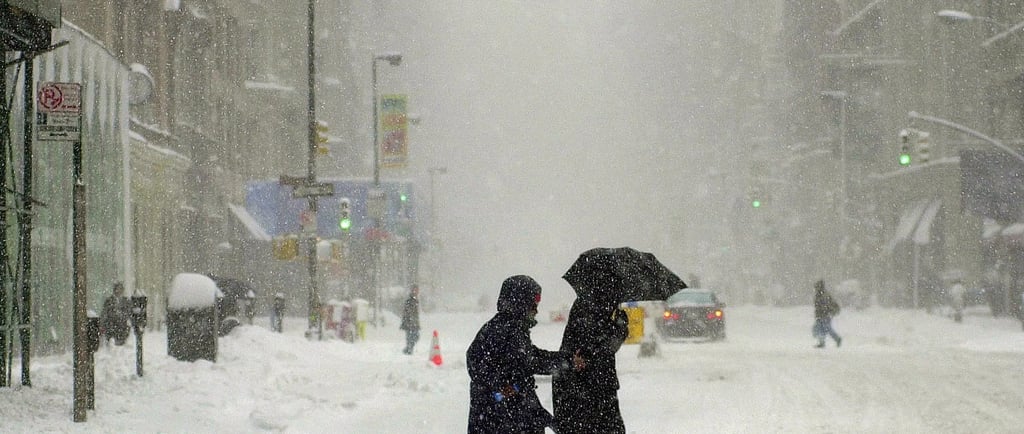
The winter storm that has gripped the United States since January 26, 2026, has resulted in widespread devastation affecting diverse regions. At least 29 lives have been tragically lost across eight states, underlining the storm's severity. Texas and New York have emerged as the states most severely impacted, with reports indicating that the extreme weather conditions have caused significant disruptions to daily life, transportation, and essential services.
In Texas, residents have faced unprecedented challenges as heavy snowfall and ice accumulation have paralyzed major highways and local roads. Reports of icy conditions have resulted in multiple vehicle collisions, compounding the crisis. Utility companies are struggling to restore power, with over a million customers at one point experiencing outages due to downed power lines and subsiding infrastructure. Schools and businesses throughout the state have been forced to close, further impeding resident's ability to continue with daily routines.
Meanwhile, in New York, the storm has brought blizzard conditions that have wreaked havoc across the region. The state's Department of Transportation has issued travel advisories, urging residents to stay off the roads unless absolutely necessary. In metropolitan areas, snowfall rates have exceeded expectations, creating hazardous conditions that have led to delayed public transport and significant roadblockages. Emergency services have been pushed to their limits, responding to a surge in calls for assistance from stranded motorists and residents unable to access basic supplies.
Overall, the extent of this winter storm highlights the fragility of infrastructure in the face of natural disasters. Communities are coming together, but the recovery will necessitate significant time and effort. The continuing evaluation of the storm's impact is essential as it unfolds, ensuring that affected populations receive the support they need during this harrowing time.
Power Outages and Ice Storms
As the historic winter storm continues to wreak havoc across the United States, power outages have become a pressing concern. In particular, states such as Mississippi and Tennessee have been severely impacted, with over 630,000 homes and businesses losing electricity due to severe ice storms. The accumulation of ice on power lines and trees has led to widespread disruption, causing branches to snap and power lines to become downed. This accumulation not only poses a risk to infrastructure but also to community safety.
Current restoration efforts are underway; however, officials have warned that full restoration may take time as crews face hazardous conditions in their attempts to restore power. Many utility companies are working diligently to assess the damage, prioritize restoration efforts, and ensure the safety of both workers and affected residents. Resources such as online power outage maps have proven invaluable for residents seeking to understand the extent of outages in their area and track progress in restoration. These maps, provided by local utility companies, offer real-time updates and allow individuals to report issues directly.
The ongoing situation prompted local authorities to implement various emergency responses to protect residents and maintain public safety. Many municipalities have set up warming centers for people to seek refuge from the cold and stay informed on the latest developments regarding power restoration and weather conditions. Additionally, emergency management teams are working closely with power companies to expedite recovery operations while ensuring adequate resources are in place for vulnerable populations during this challenging time.
The Deep Freeze Forecast: What to Expect Ahead
As the current historic winter storm continues to unfold, a pronounced drop in temperatures is anticipated, leading to what has been termed a 'deep freeze.' This severe cold snap is expected to persist throughout February 2026. Meteorologists indicate that temperatures will plummet, potentially reaching record lows in various regions across the United States. It is imperative to prepare for temperature levels that could feel significantly colder when factoring in wind chill effects.
Vulnerable populations, particularly the elderly and those with pre-existing health conditions, are especially at risk during these extreme cold conditions. Cold exposure can lead to serious health complications including hypothermia and frostbite. Authorities are urging individuals to take proactive measures to protect themselves and their families. This includes ensuring that homes are adequately heated and insulating against the cold by sealing any drafts that could lead to indoor chill.
Moreover, staying indoors during the peak hours of extreme cold is highly recommended. If venturing outside is unavoidable, wearing multiple layers of clothing and covering extremities such as hands, ears, and feet can provide crucial protection against the low temperatures. Additionally, keeping hydrated is essential, as people often forget to drink water in colder weather, yet hydration remains critical for maintaining body heat.
Community outreach programs are also being mobilized to assist those in need, offering warmth shelters and food resources. It is crucial for those with access to check on neighbors who may lack adequate heating or support systems. Public health advisories are being disseminated to inform residents about the dangers associated with prolonged exposure to frigid temperatures.
Safety Guidelines During Blackouts
Experiencing a power outage during a severe winter storm can pose significant challenges for individuals and families. It is crucial to be well-prepared and to employ safe practices to navigate these difficult situations effectively. The foremost priority during a blackout is to ensure warmth without compromising safety. To achieve this, individuals should dress in layers, using thermal clothing and blankets to maintain body heat. Written emergency contact numbers should also be readily accessible in case assistance is needed.
Another essential aspect of preparation is possessing an emergency kit. This kit should include non-perishable food, bottled water, a flashlight with extra batteries, a first aid kit, and a battery-operated radio. These items can help alleviate the difficulties posed by the absence of electricity and provide essential support during prolonged blackouts.
Homeowners often resort to alternative heating sources such as candles, portable gas heaters, or residential fireplaces during winter power losses. However, using these devices requires strict caution due to the dangers they pose, including the risks of fire and carbon monoxide poisoning. Burning candles should never be left unattended, and gas-powered heaters should always be used in well-ventilated spaces to mitigate potential hazards.
Furthermore, it is vital to check on neighbors and vulnerable community members, particularly those living alone or in crowded spaces who may require additional assistance. The recent tragedy of eight homeless individuals found deceased in New York City highlights the critical need for increased outreach and support for those who are most vulnerable in our communities. Connection with local outreach programs can provide necessary resources and shelter options for those in dire situations.
In summary, staying safe during a blackout caused by a severe winter storm involves preparedness, proper heating, and communal support. Adhering to these guidelines will ensure a safer experience during such challenging conditions.