
Tragic Death of ICU Nurse Alex Pretti Sparks Protests and Political Tensions in Minneapolis
NEWS
Bernardo Prantz Pin
1/27/20264 min read
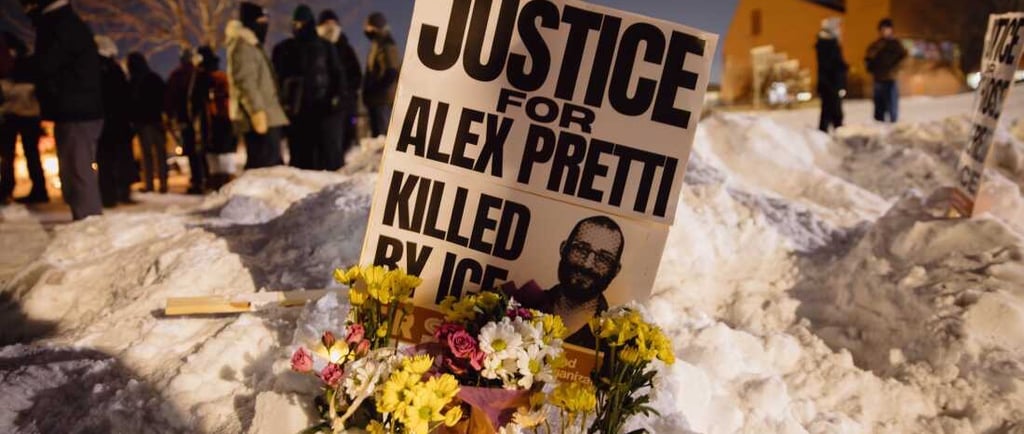
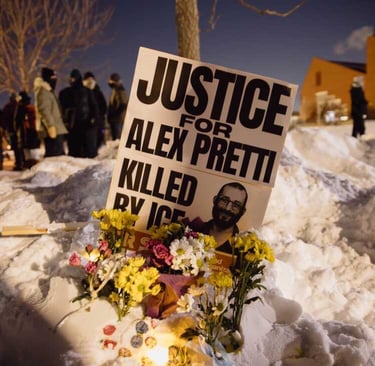
Breaking News: The Fatal Shooting of Alex Pretti
On January 24, 2026, the tragic death of Alex Pretti, an intensive care unit nurse, unfolded in Minneapolis as he was shot by federal agents under circumstances that have since ignited widespread protests and controversy. Pretti, known for his dedication to patient care, was reportedly engaged in a peaceful demonstration when federal law enforcement officers arrived on the scene. Witnesses describe a chaotic atmosphere as tensions escalated, leading to the shocking incident that claimed his life.
The events leading up to the fatal shooting suggest that Pretti was participating in a gathering aimed at advocating for healthcare reforms in response to ongoing staffing shortages and increased pressure on medical professionals. Eyewitness accounts highlight that the demonstration was largely peaceful, characterized by chants calling for fair working conditions and adequate mental health support for healthcare workers. However, as federal agents intervened, their approach shifted, culminating in the use of lethal force.
In the immediate aftermath of the shooting, local communities reacted with disbelief and anger. Vigils were held in memory of Alex Pretti, drawing hundreds of participants who mourned not only his loss but also the larger implications of his death. The release of bodycam footage has since become pivotal in the unfolding narrative. This footage appears to contradict initial official statements that labeled Pretti as a 'domestic terrorist', portraying instead a man who was advocating for the rights of healthcare workers.
As the public views this newly released evidence, it has certainly called into question the actions of the agents involved and sparked a dialogue about the treatment of peaceful protests. The calls for justice in Pretti's name continue to resonate throughout Minneapolis, underscoring the profound impact of his death on the local community and raising pressing questions about governance, law enforcement practices, and the safety of individuals exercising their right to protest.
Protests Erupt in Minneapolis: A Community's Outrage
In the wake of the tragic death of ICU nurse Alex Pretti, Minneapolis has witnessed an unprecedented outpouring of public grief and anger. The release of the bodycam footage depicting the circumstances leading to Pretti's untimely death ignited massive protests across the city, drawing attention to issues of police accountability and systemic injustice. Thousands of residents took to the streets, demonstrating their solidarity and demanding justice for Pretti.
The scale of these protests has been remarkable, with gatherings swelling to thousands of participants who chanted slogans and carried signs advocating for justice. Eyewitness accounts have described a palpable sense of unity among diverse community members, all mourning the loss of a beloved nurse and rallying against the violence that claimed her life. Leaders of various community organizations have spoken passionately about the need for change, emphasizing that the fight for justice extends beyond Pretti's case, reflecting broader societal issues.
The emotional response within the community has been profound, with many participants sharing their personal stories and connections to Pretti. One protest leader emphasized, "We are here not just for Alex, but for every individual who has fallen victim to similar circumstances. This is about holding those in power accountable. We will not rest until justice is served!" This sentiment has resonated throughout the crowds, underscoring a collective demand for reform in law enforcement practices.
As the protests continue, it is crucial to acknowledge the vital role that community members and activists play in advocating for change. Their voices, fueled by grief and outrage, are central to the ongoing dialogue surrounding police accountability and the urgent need for systemic reforms in Minneapolis and beyond. The ongoing protests are not merely localized outcries but rather part of a larger movement advocating for justice and dignity for those who have been wronged.
Governor Tim Walz's Response: Demands for Accountability
In the aftermath of the tragic death of ICU nurse Alex Pretti, Minnesota Governor Tim Walz has publicly voiced his concerns regarding the presence and actions of federal agents in Minneapolis. His response reflects a growing demand for accountability and a reassessment of law enforcement practices within the city. Governor Walz called for federal agents to withdraw, arguing that their involvement exacerbates tensions rather than contributes to public safety. This demand signifies a substantial turn in his political stance, emphasizing a preference for community-led solutions over federal oversight.
The implications of Walz's statement extend beyond mere rhetoric; they signal an urgent need for dialogue around law enforcement accountability and the relationship between state and federal authorities. By advocating for a reduction in federal presence, Walz is not only responding to public sentiment but also emphasizing the importance of localized governance in addressing community grievances. The ramifications of his demands may lead to a shift in how law enforcement engages with citizens, reflecting a broader movement towards accountability and transparency.
Historically, Governor Walz has maintained a somewhat collaborative relationship with federal authorities, seeking federal support during crises, including Minnesota's response to the COVID-19 pandemic. However, in the context of Alex Pretti's death and subsequent protests, his stance takes on a more confrontational tone, highlighting an evolving dynamic between state leadership and federal intervention. The current situation raises critical questions about the best approaches to ensuring public safety while fostering trust between communities and law enforcement agencies.
Political Tensions Rise: Federal Defense and State Response
The tragic death of ICU nurse Alex Pretti has ignited a wave of protests in Minneapolis, prompting heightened political tensions between state and federal authorities. The response from the White House has been notably robust, with officials standing firmly behind the actions of federal agents deployed to manage the ensuing unrest. This unwavering defense has only amplified the already charged atmosphere, leading to stark divisions with state leaders, particularly Minnesota Governor Tim Walz.
In a recent press briefing, federal representatives asserted that their personnel conducted necessary operations in response to escalating violence and lawlessness during the protests. They described their actions as a commitment to restoring order and public safety in the wake of the tragic events. This defense, however, has been met with skepticism and critique from several state officials who argue that federal intervention has exacerbated the situation rather than alleviating tensions. Governor Walz expressed deep reservations about the presence of federal agents in Minneapolis. He characterized their lack of coordination with local law enforcement as counterproductive, emphasizing it undermined community trust.
The implications of this incident extend beyond just a local crisis; it has further strained the relationship between federal and state authorities in the current political landscape. Political analysts have noted that the rhetoric from the White House reflects a broader strategy to reaffirm federal authority, particularly in the face of protests that spotlight social injustices. This dynamic raises profound questions regarding state sovereignty and the balance of power, setting a precedent that could have lasting effects on governance in America.
As tensions continue to escalate, it remains crucial to monitor the developments emanating from both the federal and state responses to this tragic incident, as they will shape the political discourse in the weeks to come.